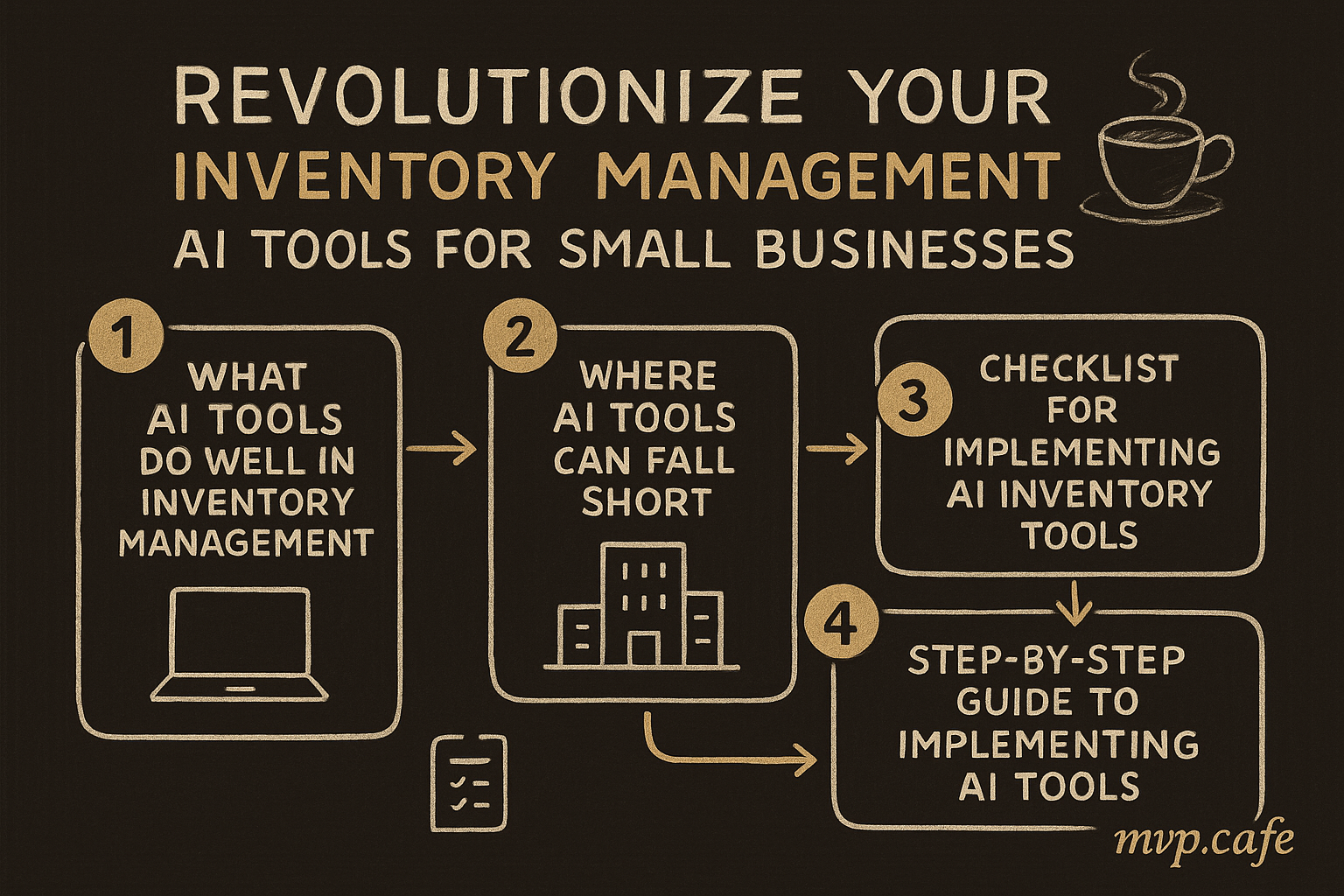
What AI Tools Do Well in Inventory Management
AI tools are transforming inventory management, especially for small businesses. These tools make operations smoother and boost efficiency. Imagine AI predicting demand and optimizing stock levels — no more guesswork. AI-driven systems take a deep dive into historical data, helping you forecast future demand accurately.
Picture a system that knows exactly how much stock you need and when. That’s the magic of AI-enhanced inventory accuracy. Errors drop significantly. Automated inventory tracking allows small businesses to cut costs, reducing overstock and avoiding stockouts. AI takes care of the routine stuff, so you can focus on growing your business strategically.
Where AI Tools Can Fall Short
But let’s not pretend AI tools are perfect. They need quality data to work well. Garbage in, garbage out, right? If your data’s a mess, don’t expect AI predictions to save you. Plus, integrating AI with existing systems can be quite the headache, and many small businesses don’t see this coming.
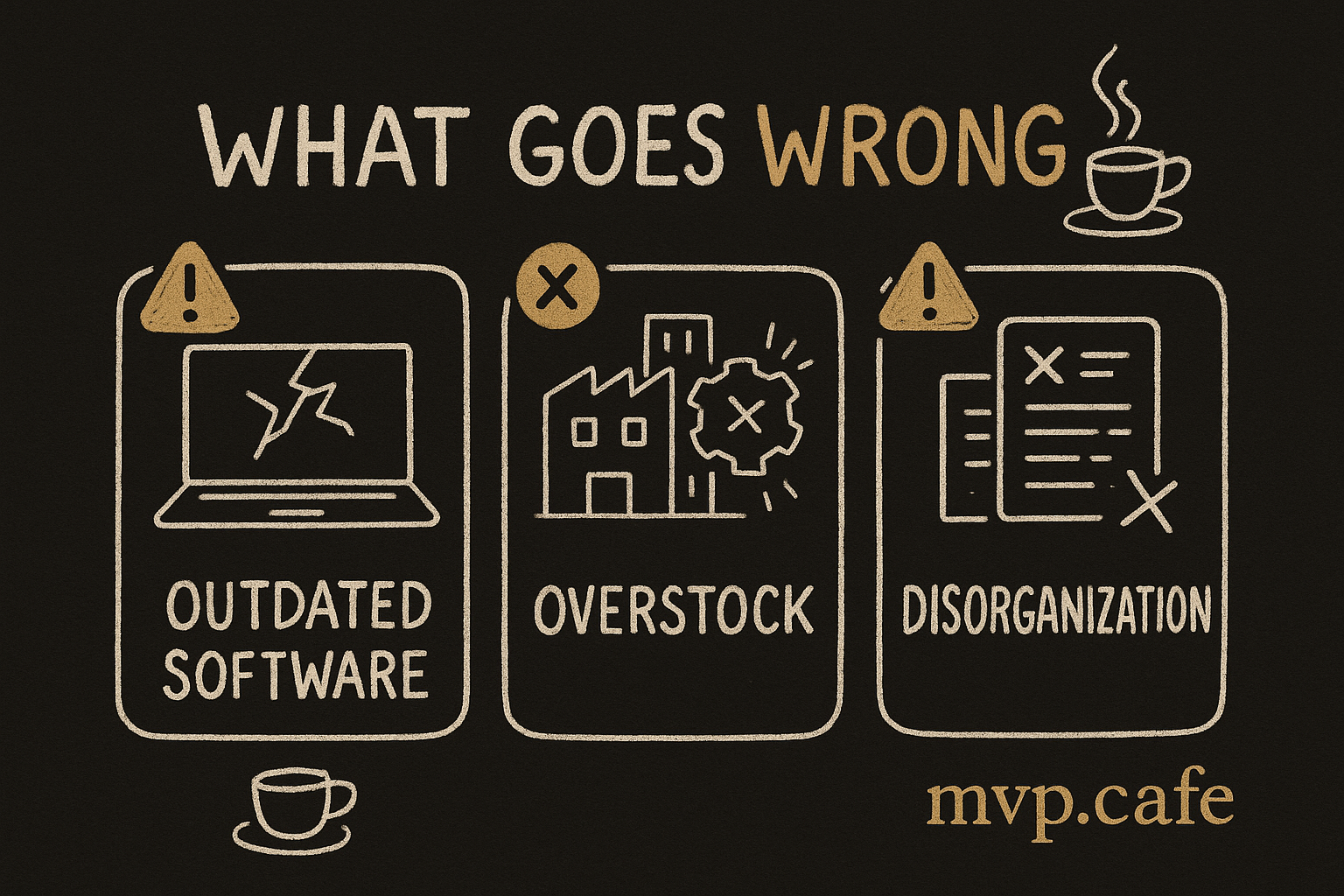
Sure, AI can automate a lot, but human oversight is still crucial. Relying too much on AI without human checks can lead to missing critical nuances. Balance is everything.
Checklist for Implementing AI Inventory Tools
To get AI working for you, you’ve got to take a structured approach. Start by figuring out what your current inventory management challenges are. Know your pain points. This is crucial for picking the right AI tools that fit your needs.
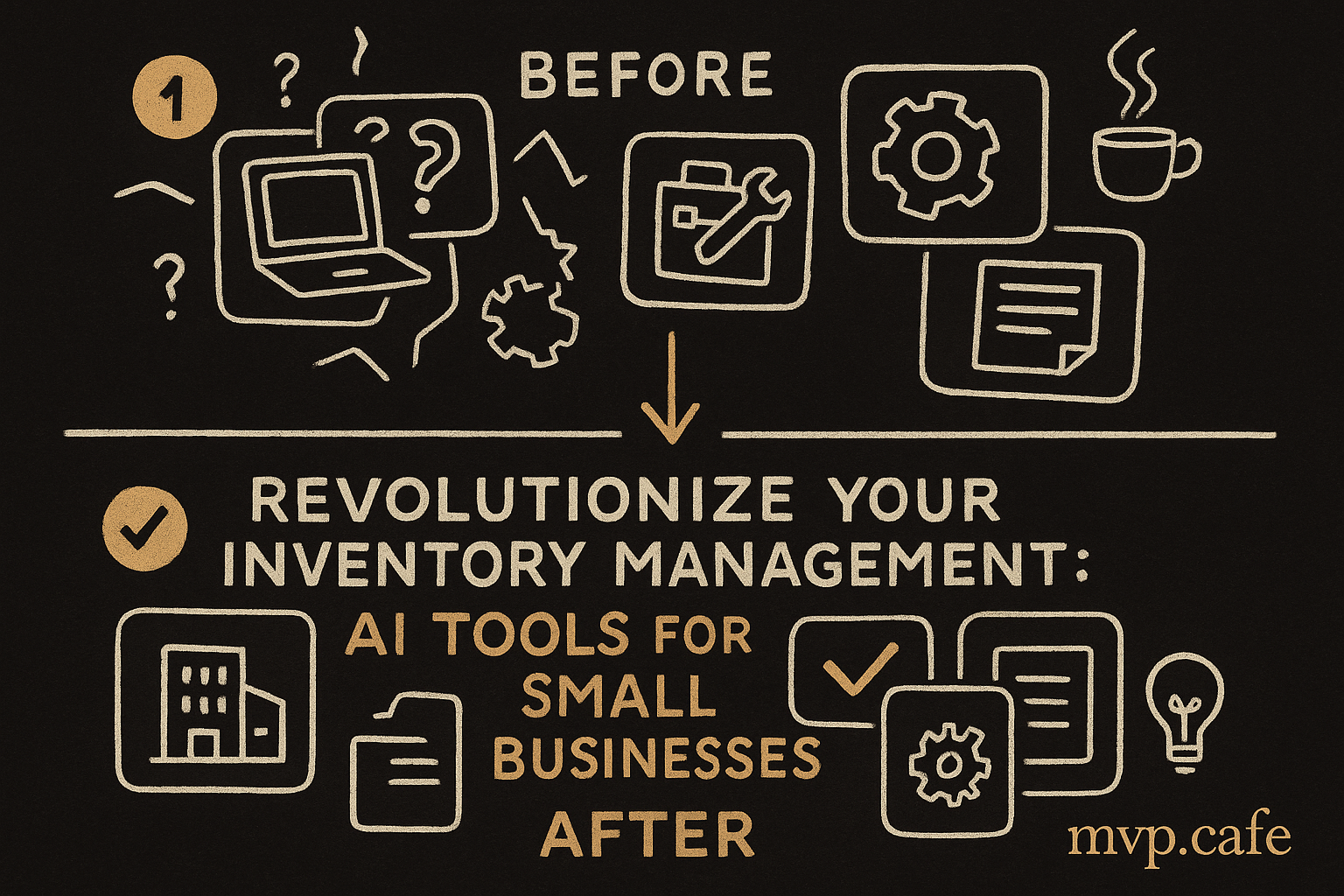
Integration isn’t just about switching on a new tool. It requires some planning. Make sure your team is trained to handle these new tools. Familiarity can reduce resistance.
Set realistic goals and metrics to measure success. Keep an eye on these to ensure your AI tools are performing as expected.
Step-by-Step Guide to Implementing AI Tools
Here’s a straightforward guide to integrating AI tools:
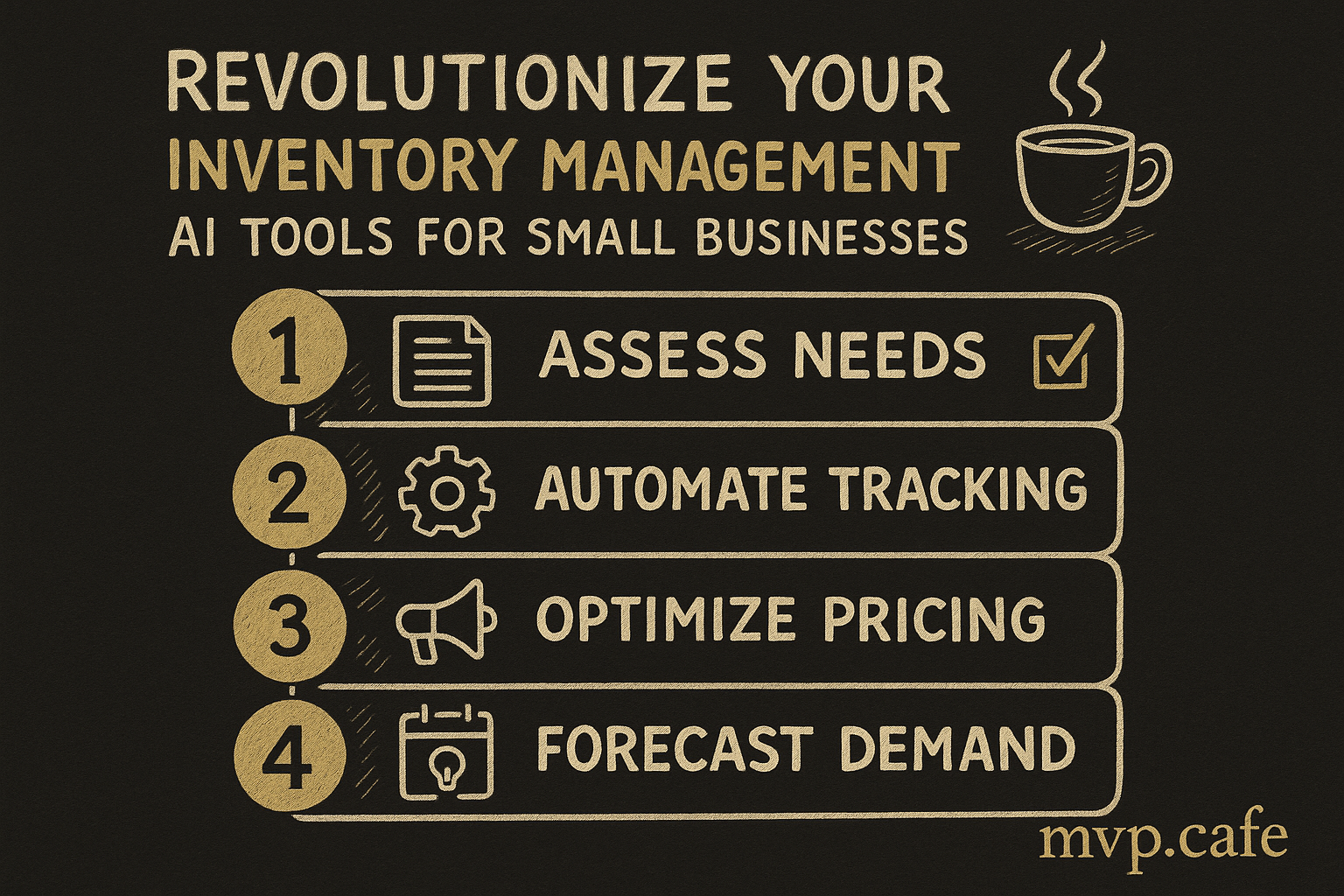
Step 1: Evaluate your existing inventory system. Understand what’s working and what isn’t.
Step 2: Choose AI tools that suit your specific needs. There’s no one-size-fits-all here.
Step 3: Develop a clear implementation plan. Map out how the integration will happen.
Step 4: Train your team to use AI tools. Training is an investment in productivity.
Step 5: Monitor and tweak your AI strategy as required. Flexibility is crucial.
Common Pitfalls and How to Avoid Them
Avoiding common pitfalls can save you loads of trouble. Data quality is key. Poor data leads to poor AI performance. Make sure your data is clean and accurate.
Don’t skip on staff training. An untrained team can’t make the most of AI’s potential. AI is a tool, not a replacement for human insight.
Set clear success metrics to measure the impact of AI tools. By keeping these factors in mind, small businesses can harness AI to revolutionize their inventory management. The key is starting with clean data, investing in training, and iterating based on what the numbers tell you.