
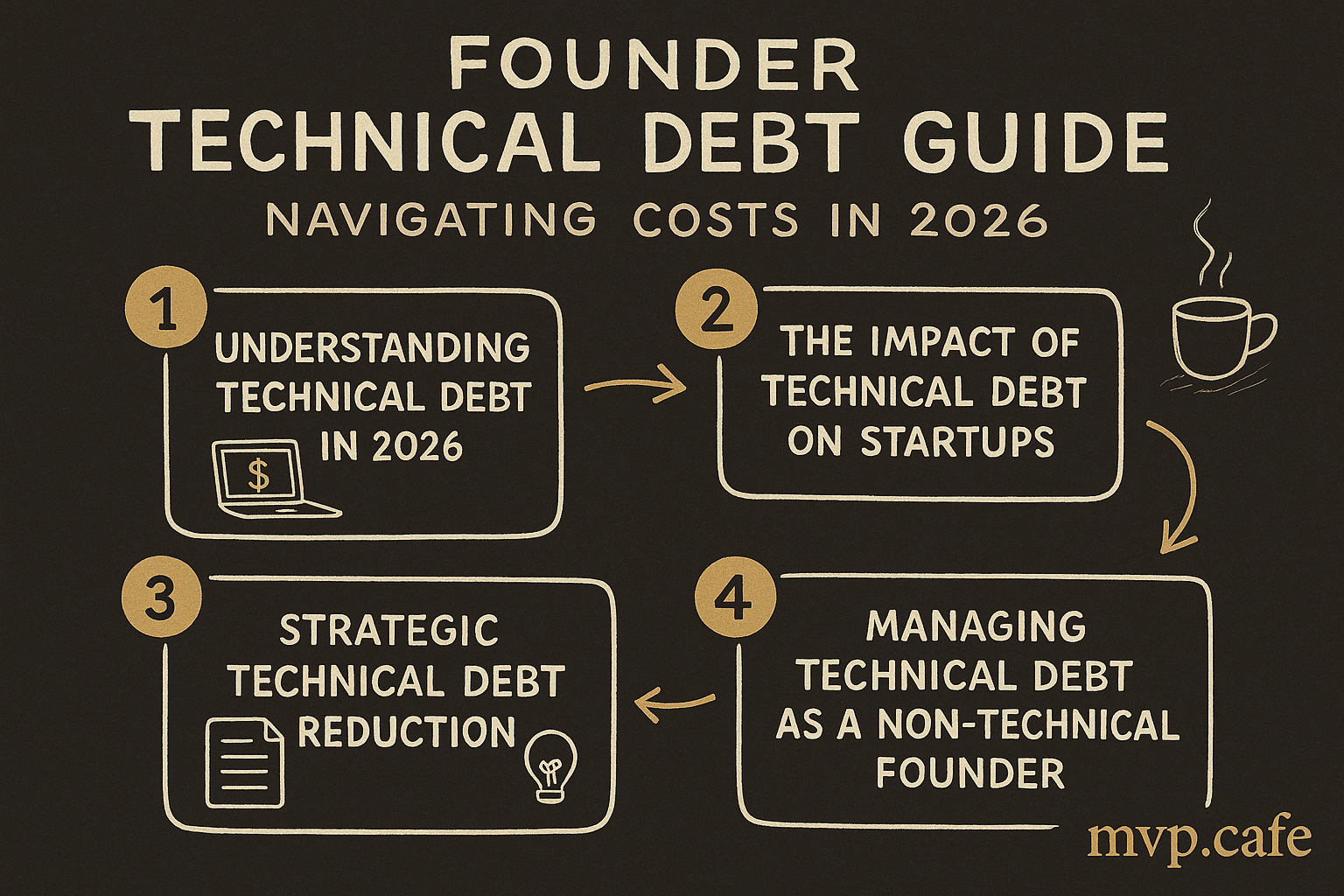
Understanding Technical Debt in 2026
If you’re a startup founder, you’ve likely heard of technical debt. It’s that future price you pay for taking shortcuts today. In 2026, managing this debt is more challenging than ever.
Why so? Because tech is moving faster than ever. AI, IoT, blockchain—these aren’t just buzzwords anymore. They’re reshaping the types of technical debt startups face. Those quick fixes in integration, security, or scalability? They can haunt you later.
If you’re a non-technical founder, you can’t just leave this to your tech team. This isn’t just a technical problem; it’s a business strategy. Mismanage it, and you might lose that much-needed agility and innovation that defines a startup’s edge.
So, here’s the deal for non-technical founders: you need to dive in, understand the basics, and ask the right questions. It’s about making smart decisions and knowing when to incur debt strategically.
The Impact of Technical Debt on Startups
Think of technical debt as a startup’s silent killer. In the short run, it might seem harmless. You ship features faster, impress investors, keep pace with competitors. But give it time, and the story changes.
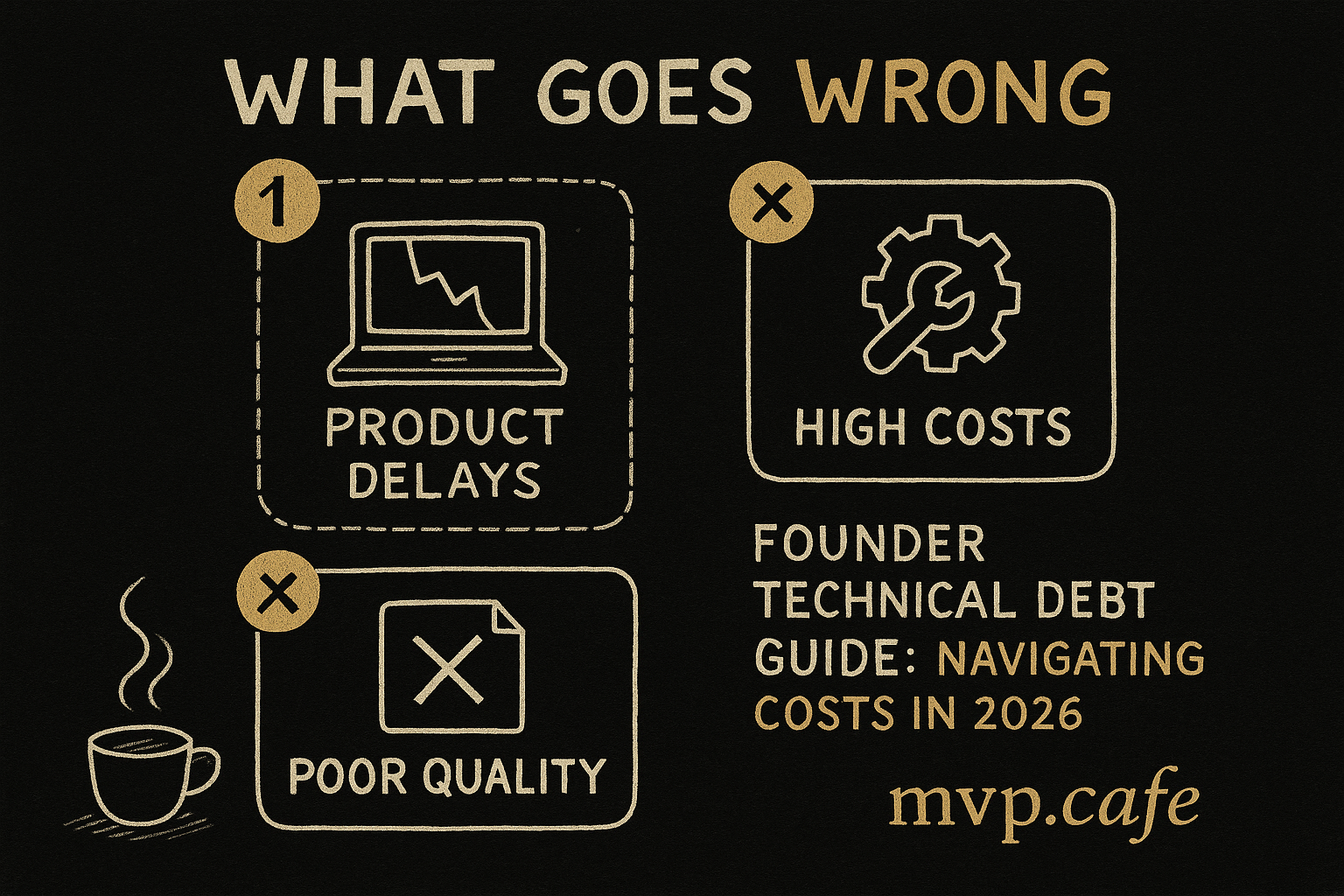
Technical debt can suffocate innovation and choke agility. More time fixing bugs means less time creating new features. Financially, it’s a leaky bucket—draining resources for maintenance and lowering returns on innovation.
Take ZYOD, for example. They tackled their technical debt head-on to sustain growth. By optimizing their manufacturing processes, they dodged high costs in the future. Read more about how ZYOD managed their technical debt effectively.
Ignoring it isn’t an option. It means slower product cycles, unhappy teams, and a weakened market position.
Strategic Technical Debt Reduction
When it comes to reducing technical debt, prioritization is key. Not all debt is created equal. Focus on what impacts your operations the most and deal with those first.

It’s a balancing act—innovation versus debt reduction. You don’t have to choose one over the other. Use tools like Jira or Trello to keep track. A strategy sprint can work wonders. It’s a dedicated session for prioritizing and planning debt reduction. Consider a strategy sprint for managing technical debt.
Indian startups are setting impressive benchmarks. By strategically reducing debt, they innovate without letting their tech stacks get messy.
Managing Technical Debt as a Non-Technical Founder
For non-technical founders, handling technical debt can be tricky. But it’s definitely doable. Start by understanding the technical landscape—at least the basics. This knowledge helps in making informed choices.

Assemble a capable technical team. They should spot and manage debt efficiently. Keep the lines of communication open with your tech folks. Ask the tough questions, challenge assumptions.
And sometimes, bringing in outside consultants can change the game. They offer fresh insights and expertise. Take GoMechanic—smart debt management partly fueled their growth. They expanded while maintaining a lean tech stack.
Future-Proofing Your Startup Against Technical Debt
Want to prevent future technical debt? You need to think ahead. Spot future tech trends and invest in scalable solutions now. It’s not just about avoiding debt; it’s about getting that competitive edge.
Keep adjusting and monitoring. Build a culture where everyone’s accountable for technical debt. What do you get in return? More innovation, less firefighting, a stronger position in the market.
For insights on MVP development and technical debt considerations, explore this related article.
By understanding and managing technical debt, you can keep your startup nimble and competitive. It’s not just about fixing past blunders—it’s about creating a strong future. For advice tailored to your needs, consider a strategy sprint with us. Learn more here.