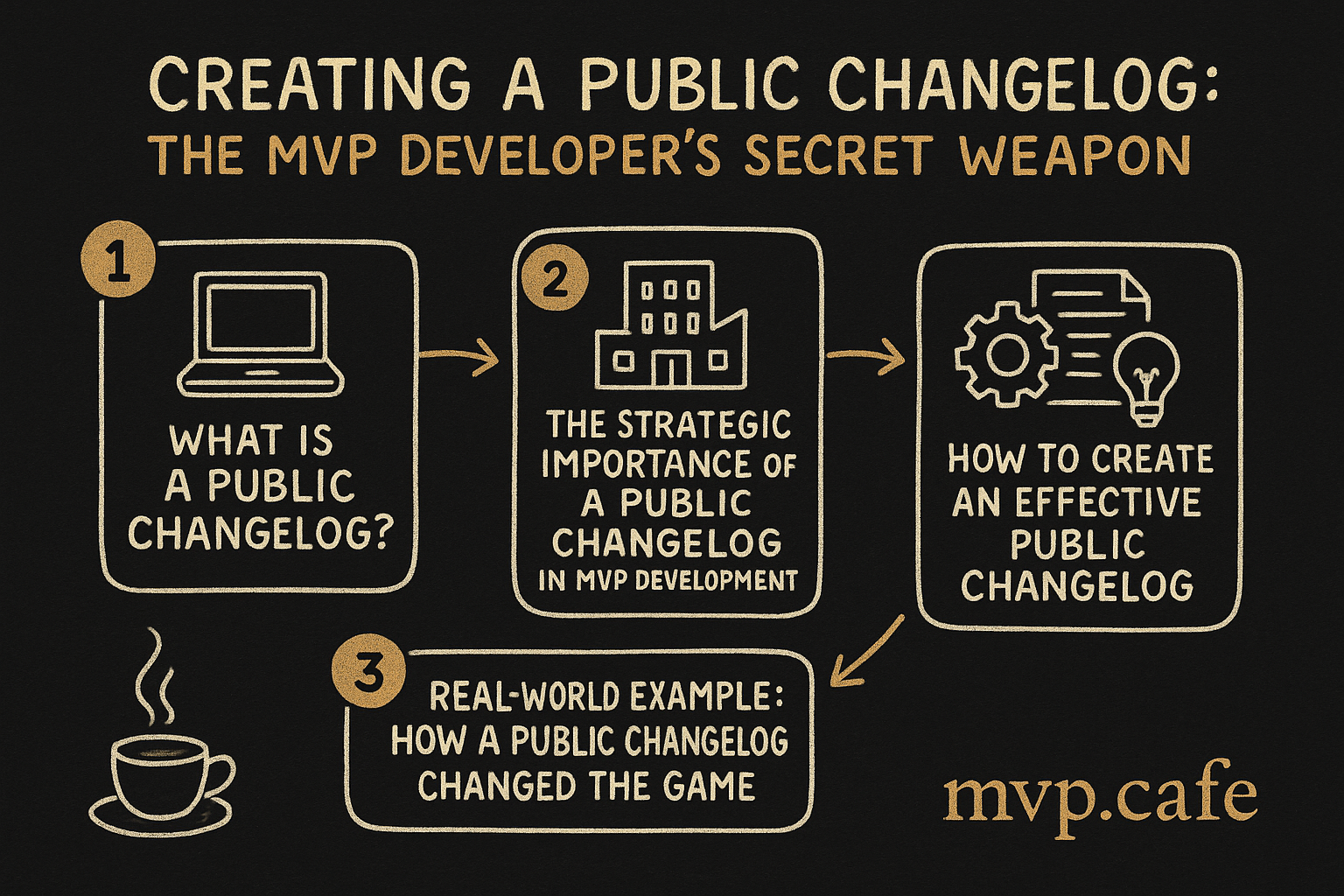
What is a Public Changelog?
Think of a public changelog as a continuous logbook for your software product. It’s where every update, new feature, bug fix, and tweak gets recorded for everyone to see. Users can peek in to know what’s cooking behind the scenes.
In the world of software development, a changelog pulls double duty. It tells users what’s new and what’s been fixed while building transparency and trust. A detailed changelog signals to users that the developers are on the ball, actively making the product better and keeping no secrets.
The Strategic Importance of a Public Changelog in MVP Development
Including a public changelog while you’re building an MVP isn’t just a fancy extra—it’s a strategic move that can make a big difference.
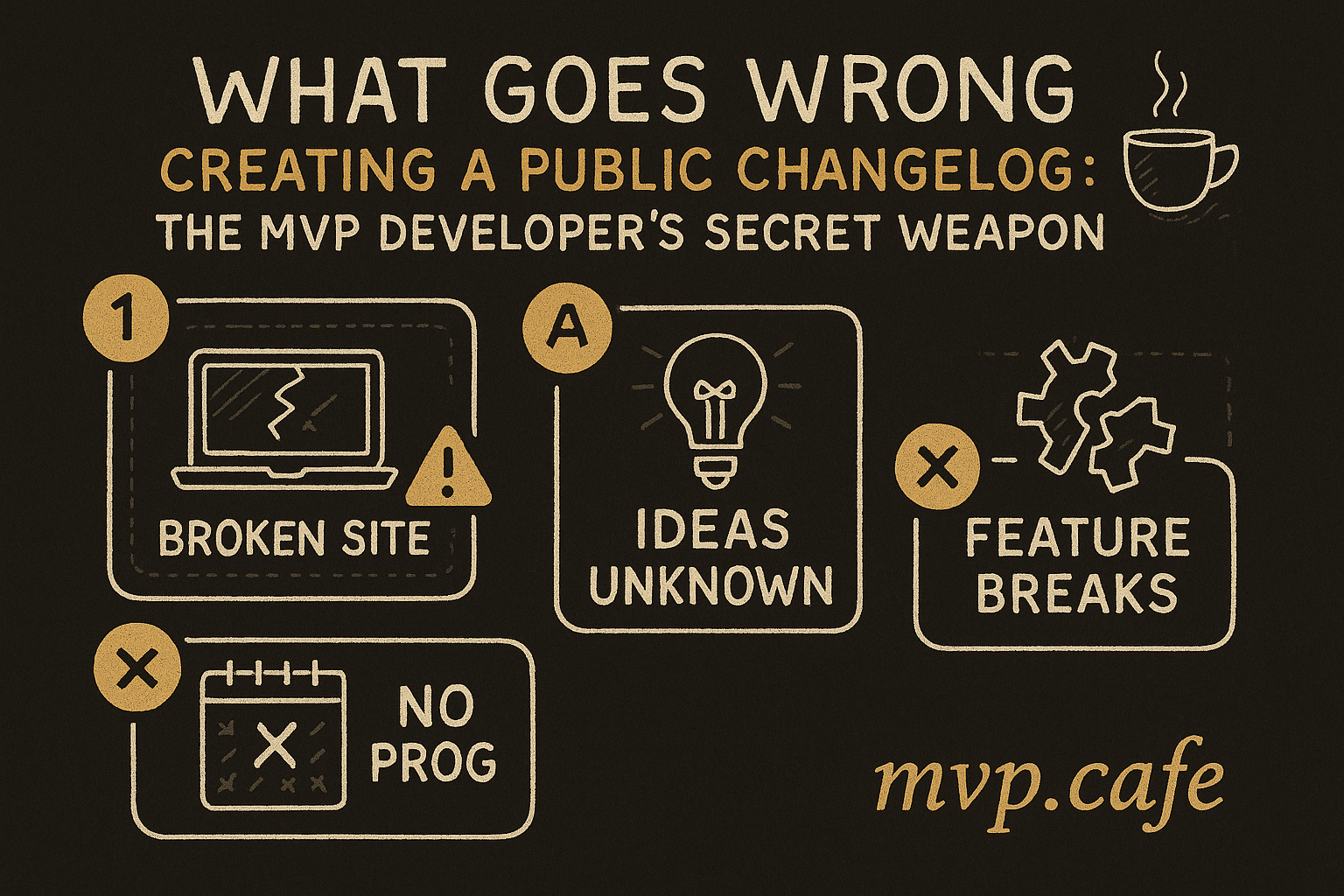
First, it boosts transparency with users. When they can see the changes being made, there’s a stronger connection to the product, and they gain confidence in its evolution. This transparency is essential, especially when you’re trying to impress those early adopters with your MVP.
And then, there’s the feedback loop. Users track how the product evolves and give feedback on recent changes. This feedback is gold when you’re making quick iterations and need insights to steer your next steps.
Finally, it helps in building user trust and engagement. Users are more inclined to dive into a product when they know it’s not stagnant and their feedback is valued. In many projects, public changelogs have been observed to increase user engagement.
Real-World Example: How a Public Changelog Changed the Game
Here’s a scenario that plays out all the time. A team building a manufacturing SaaS struggled to maintain transparency with users. The lack of communication left users puzzled over what was changing and why.
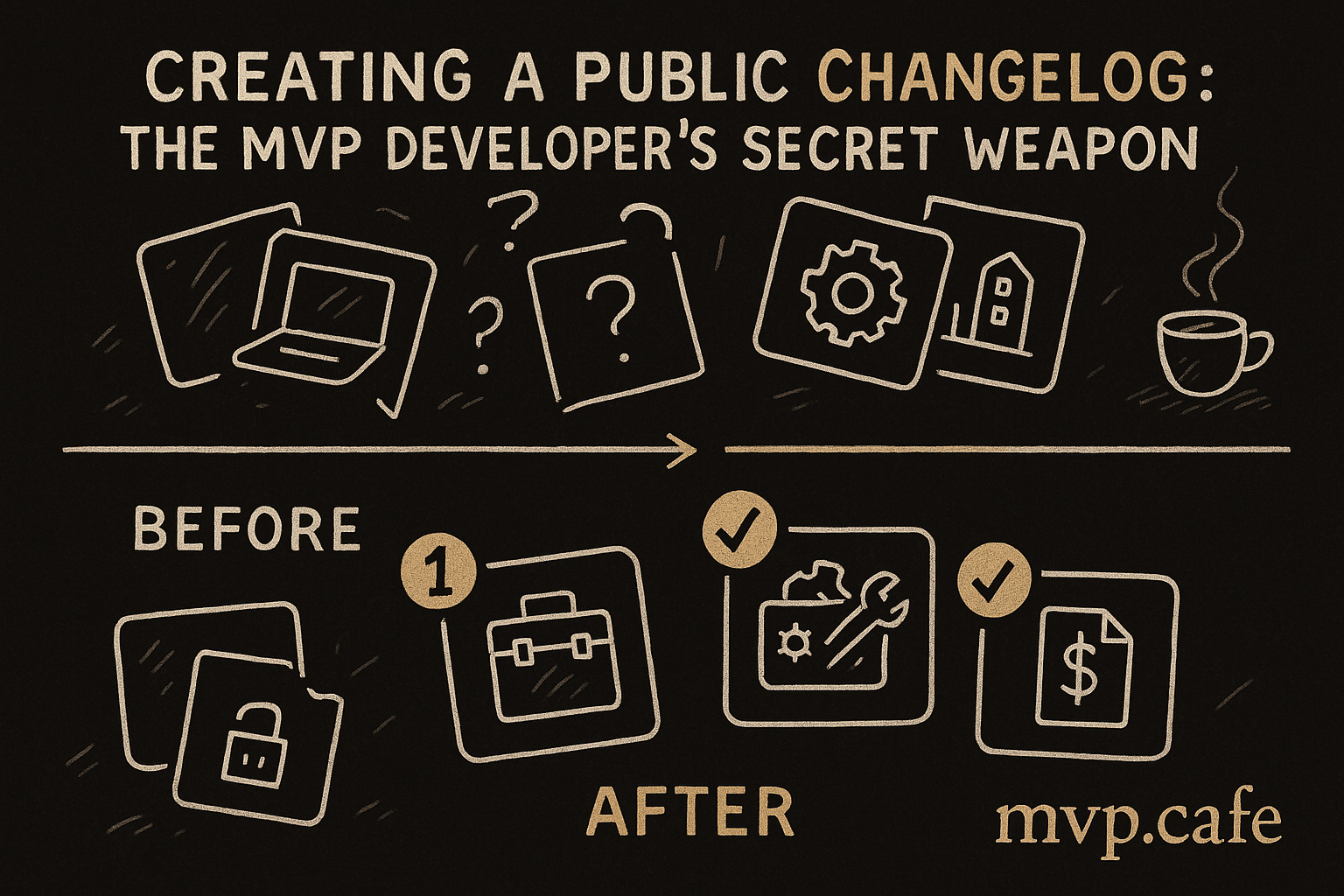
The fix? A public changelog. They started documenting every single update, feature, and fix and made it all accessible to users. This not only closed the communication gap but also invited user feedback that steered further improvements.
The results? Users became more involved, trust levels shot up, and they gained insights that refined their development process. This isn’t just theory—it’s a pattern we’ve seen play out across dozens of early-stage products.
How to Create an Effective Public Changelog
Thinking of creating your own public changelog? Here’s how you can get rolling.
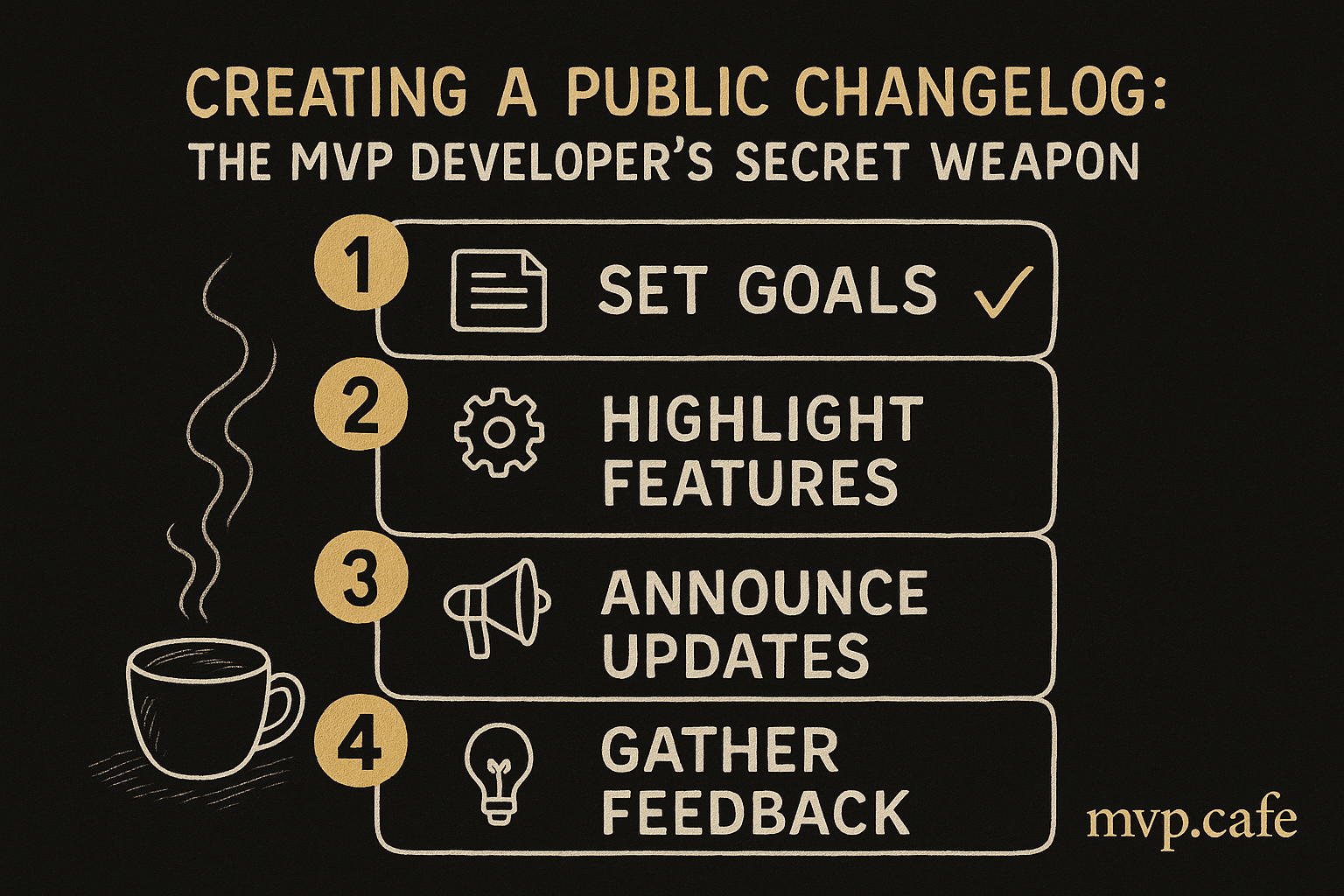
First, pick the right tools. Options like GitHub, Beamer, or Headway come with their unique perks.
Next, nail down the structure of your changelog. Keep it straightforward. Start with the date, followed by a brief description of the update. Break down changes into sections like “New Features,” “Improvements,” and “Bug Fixes.”
And don’t forget to update and maintain it regularly. A stale changelog can erode user trust. Log every new feature or bug fix. Consistency is your best friend here.
Best Practices for Maintaining a Public Changelog
Maintaining a public changelog isn’t a one-and-done deal. Here are some practices to keep it effective.
Regular updates and transparency are key. Users should never be left in the dark about the product’s evolution.
Encourage user interaction by seeking feedback on changes. This not only boosts the product but also makes users feel appreciated.
And, analyze feedback to make improvements. A changelog isn’t just a record; it’s a growth tool. Use it to figure out what users love or loathe, then pivot accordingly.
Tools to Simplify Your Public Changelog Process
Picking the right tool can ease the entire changelog process. Here’s a quick rundown of some popular ones.
- GitHub: A no-brainer for developers using GitHub. It meshes well but might be too technical for non-developers.
- Beamer: Packed with a user-friendly interface and looks good. Great for teams after a simplistic setup.
- Headway: Known for its customization and ease of use. Ideal for teams wanting more control over the presentation.
Each tool has its upsides and downsides. Choose based on your team’s specific needs and technical know-how.
Incorporating a public changelog into your MVP development process is more than just ticking a box—it’s about creating a transparent, engaging, and iterative product journey. Start small, stay consistent, and watch how transparency transforms your relationship with early users.