
Understanding the Importance of Team Invitations and Role Management
Welcome to 2026! If your SaaS MVP isn’t nailing team invitations and role management yet, you’re playing a risky game. These aren’t just backend bells and whistles — they’re the heartbeat of user experience and security. Efficient team invitations get your users on board smoothly, while smart role management makes sure they have the right tools, right when they need them. When I was with ZYOD, managing 700+ IoT-enabled sewing machines wasn’t just about permissions. It was about enabling the right people to act at the right moment without missing a beat.
For SaaS MVPs looking to scale, these systems aren’t nice-to-haves. They’re essentials. Without them, your user permissions could become a tangled mess, risking security breaches and trust issues.
[INLINE IMAGE: framework — Diagram showing the components of team invitations and role management]
Key Features of a Secure Team Invitation System
Think of a secure team invitation system as your bouncer, keeping unauthorized access out. Start with the basics: email verification and two-factor authentication. These aren’t just fancy features — they’re your frontline defense. At GoMechanic, tightening up user authentication sliced our CAC by 70% and built user trust along the way.
And don’t overlook invite tracking. Knowing who’s invited, who’s responded, and who’s out there floating in digital limbo is crucial. You can’t manage what you don’t measure, right? Skipping these is like leaving your door wide open.
[INLINE IMAGE: checklist — Checklist of security features for team invitations]
Implementing Role Management for Scalability
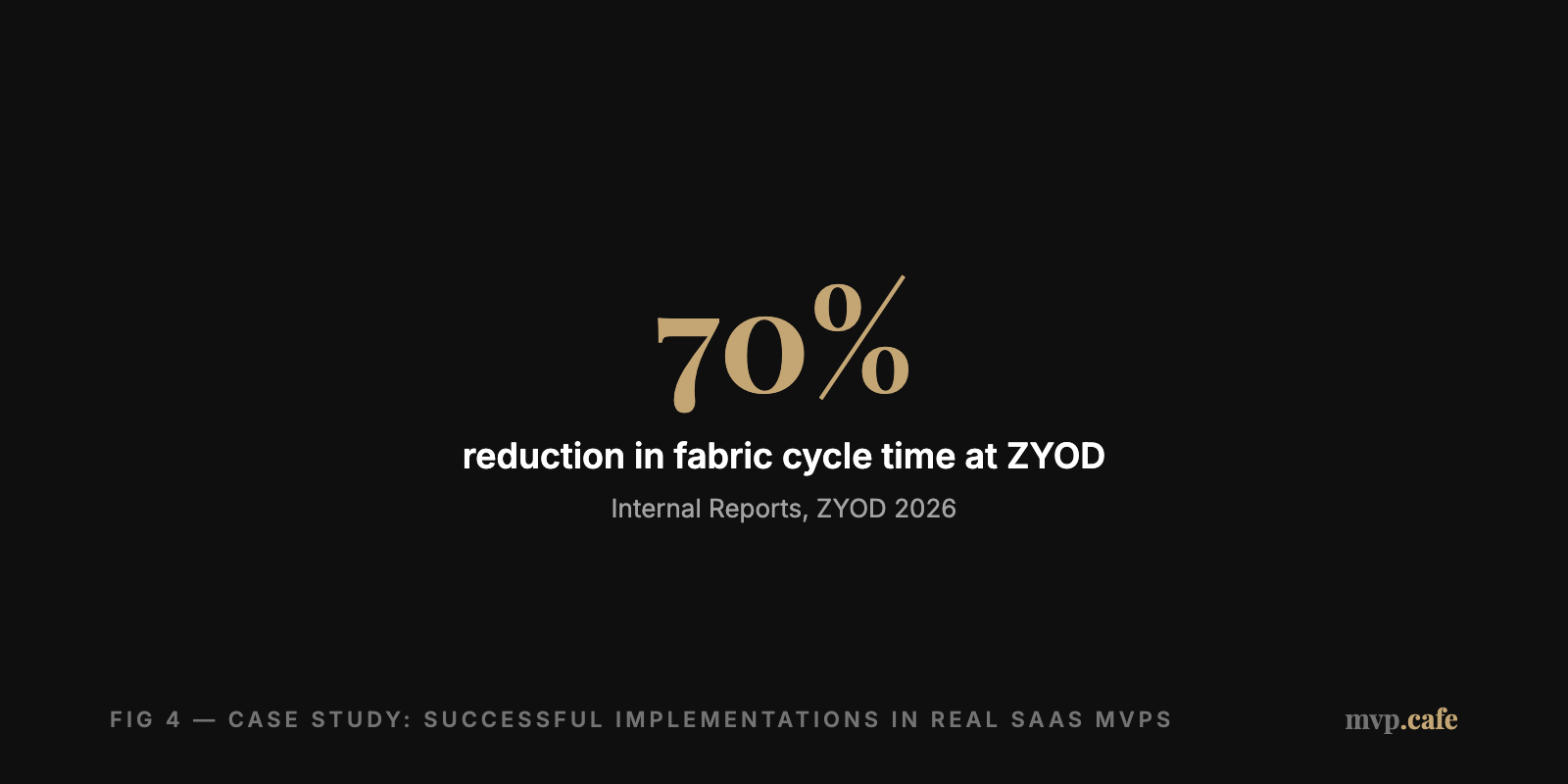
Role management goes beyond just assigning permissions. It’s about efficiency. Role-Based Access Control (RBAC) is the superstar here, letting your roles evolve with your business. At ZYOD, our fabric cycle shrank by 70% partly because our roles were clear and adaptable.
Scalability is where this really shines. As your user base expands, the complexity of managing them does too. A solid role management system grows with you, keeping things flowing smoothly. Ignore this, and you’re looking at a future of headaches.
[INLINE IMAGE: bar-chart — Bar chart showing scalability improvements with role management]
Case Study: Successful Implementations in Real SaaS MVPs
Let’s look at some real-world success stories. At ZYOD, a robust team management system was a must. With over 700 IoT machines, managing access was pivotal. The result? Streamlined operations and faster decision-making.
GoMechanic faced a similar challenge. Their role management helped them expand into Malaysia seamlessly, keeping service quality intact. The takeaway? Robust team management systems aren’t just helpful; they’re crucial for efficiency and growth.
For more details on how we pulled this off, check out our ZYOD case study.
**
**
Steps to Implement Team Invitations and Role Management
Setting these up isn’t a walk in the park, but here’s a roadmap:
- Preparation: Nail down your user roles and permissions.
- Developing the Invitation System: Build it secure, with authentication and tracking.
- Setting Up Role Management: Use RBAC to manage user permissions dynamically.
- Testing and Deployment: Test for security holes before going live.
This isn’t just theory. At mvp.cafe, we provide a comprehensive MVP build service that covers these steps in depth, making sure your SaaS MVP is both scalable and secure.
[INLINE IMAGE: checklist — Step-by-step checklist for implementation]
Common Pitfalls and How to Avoid Them
Even with the best plans, things can go sideways. Common issues? Missing security features or clunky integration with existing systems. Confusing roles can also tank user experience.
Avoid these pitfalls by regularly auditing your systems and gathering user feedback. Stay sharp on trends with our guide on essential features for SaaS MVP, and learn about adapting to future SaaS trends.
[INLINE IMAGE: before-after — Before and after scenarios of common pitfalls]