Introduction to Feature Flags
So, you’ve got an exciting MVP idea, but as a solo founder, you’re juggling everything from development to marketing. Meet feature flags—your new ally. Imagine them as switches in your codebase that let you turn features on or off without redeploying. Testing a new feature but not ready for it to go live? No worries. Flip the switch, test away, and if things go south, flip it back instantly.
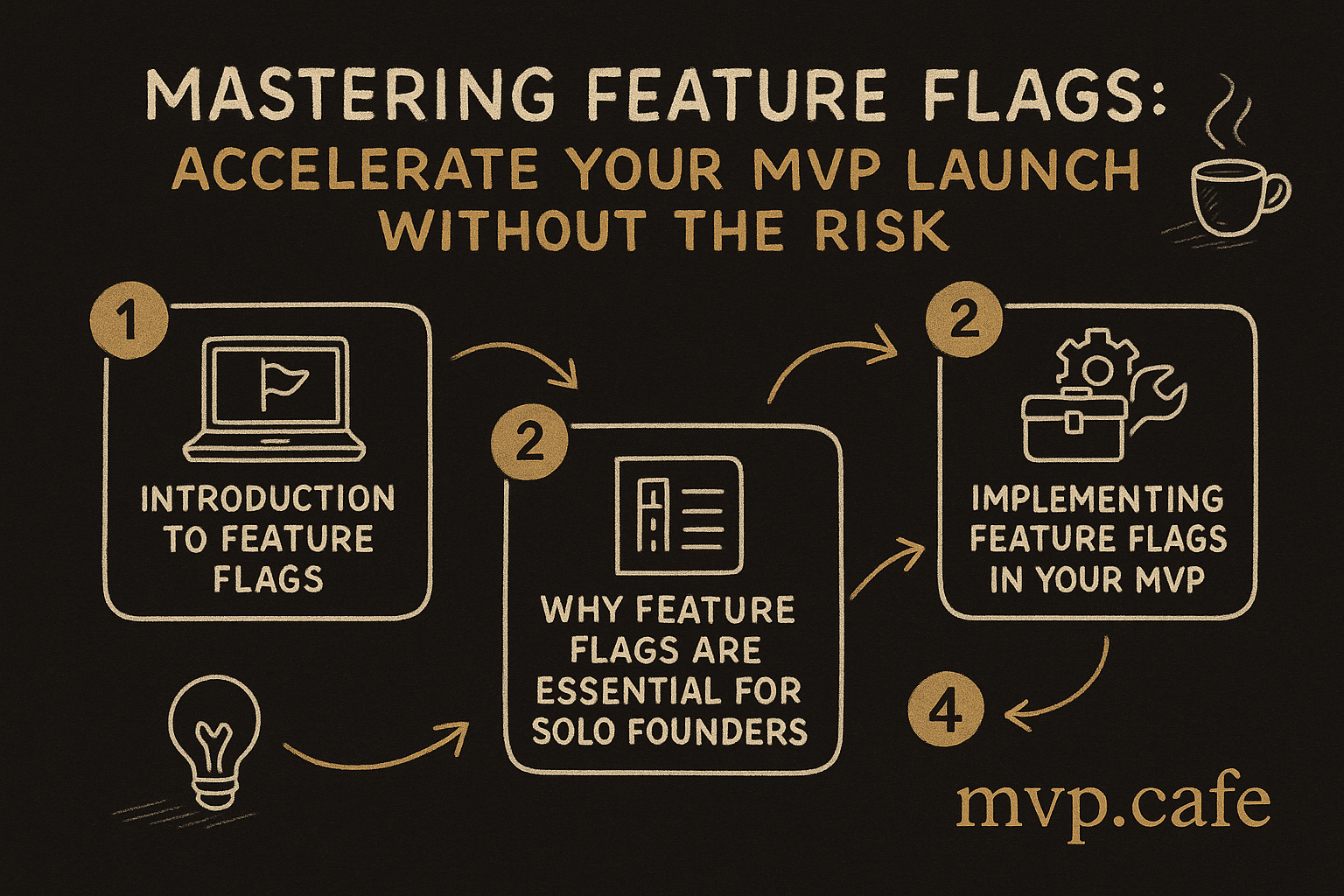
For solo founders, these are a blessing. They let you iterate quickly and safely, taking the fear out of breaking everything. Agile iteration becomes…well, truly agile. You test in real-time, gather feedback, and make adjustments as needed. The pressure to nail it on the first go? Poof, it’s gone. Instead, you get a playground to experiment and polish.
[INLINE IMAGE: framework — Diagram showing feature flags in the development process]
Why Feature Flags are Essential for Solo Founders
Let’s get to the heart of why feature flags are a must-have for your MVP. The perks go well beyond just flipping features on or off. They give you control over how you roll out features—control that’s pure gold for solo founders. You can segment your users, testing features with specific groups without going all in. It’s like having a safety net for your product.
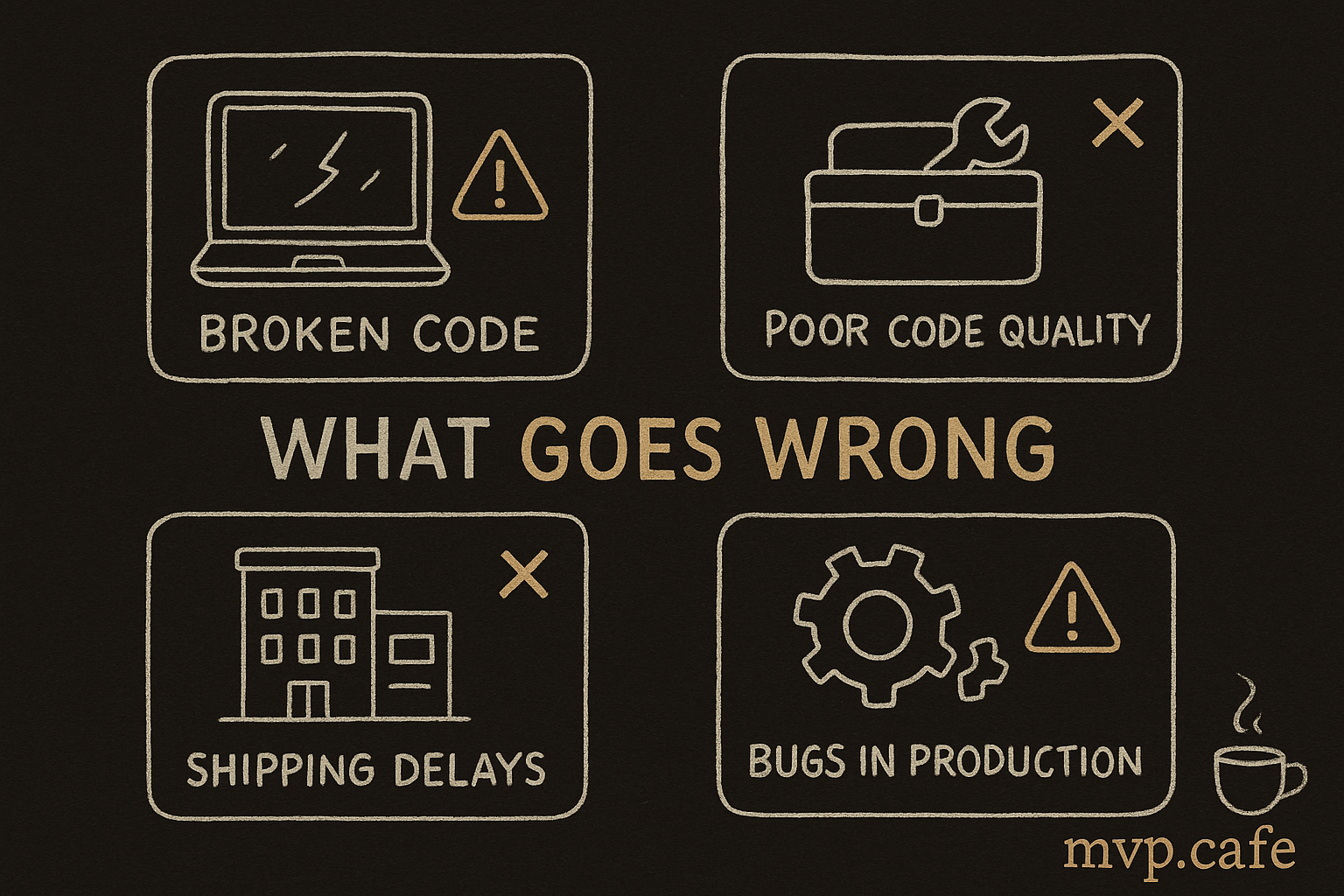
From my experience at ZYOD, we leaned on feature flags for strategic deployments. It allowed us to scale features gradually and manage risks effectively. The beauty here is simplicity. You decide what users see and when, making safe testing and quick iteration not just possible, but downright efficient.
Need some strategic direction? Check out the Clarity Strategy Sprint to align your feature flag strategy with your business goals.
Implementing Feature Flags in Your MVP
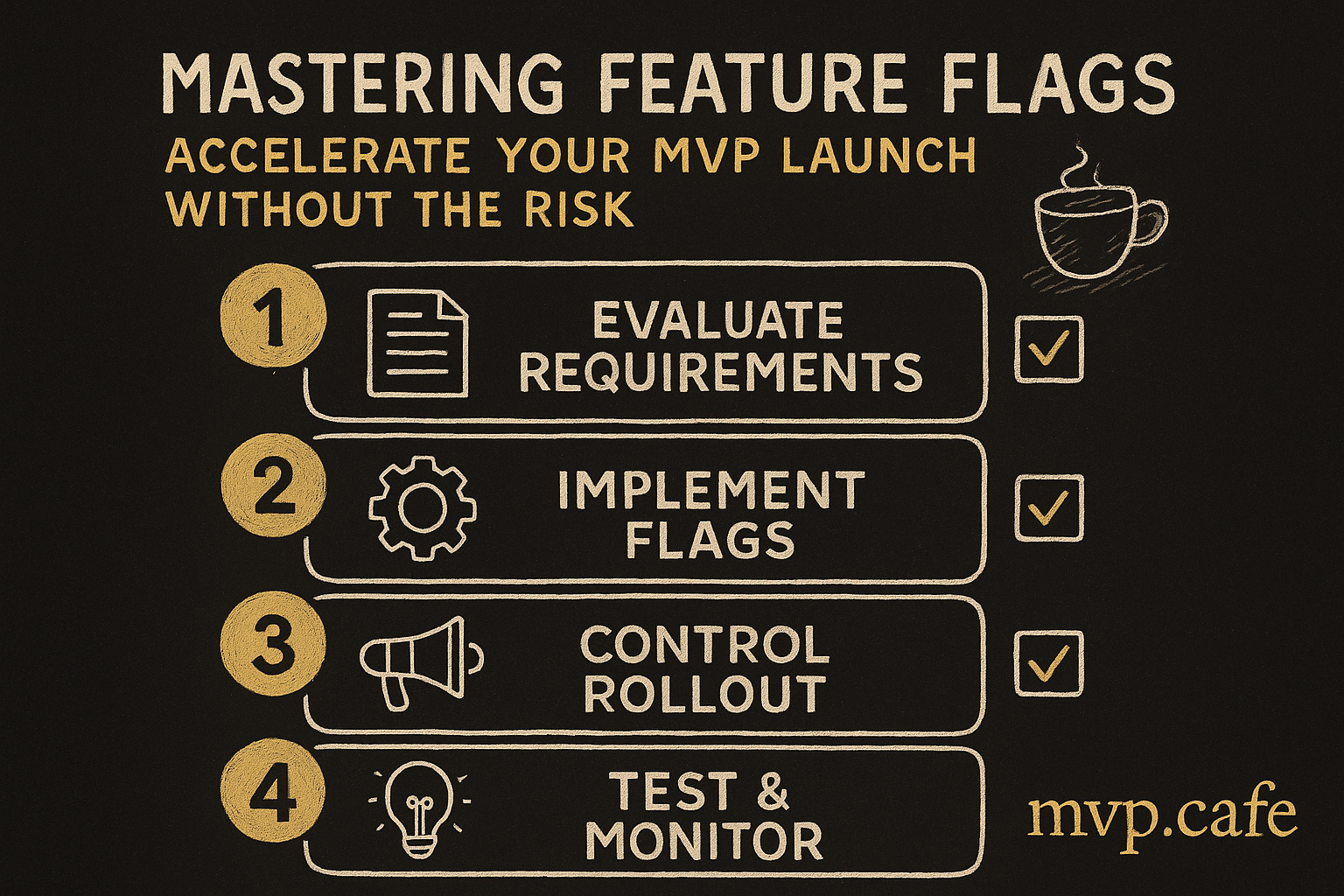
Ready to get your hands dirty? Implementing feature flags in your MVP doesn’t require rocket science skills, but you do need a plan. Start by picking tools that fit your tech stack. Look at platforms like LaunchDarkly or FeatureToggle.io—they’re solid choices. Define clear conditions for when to toggle features on or off. Document everything, seriously.
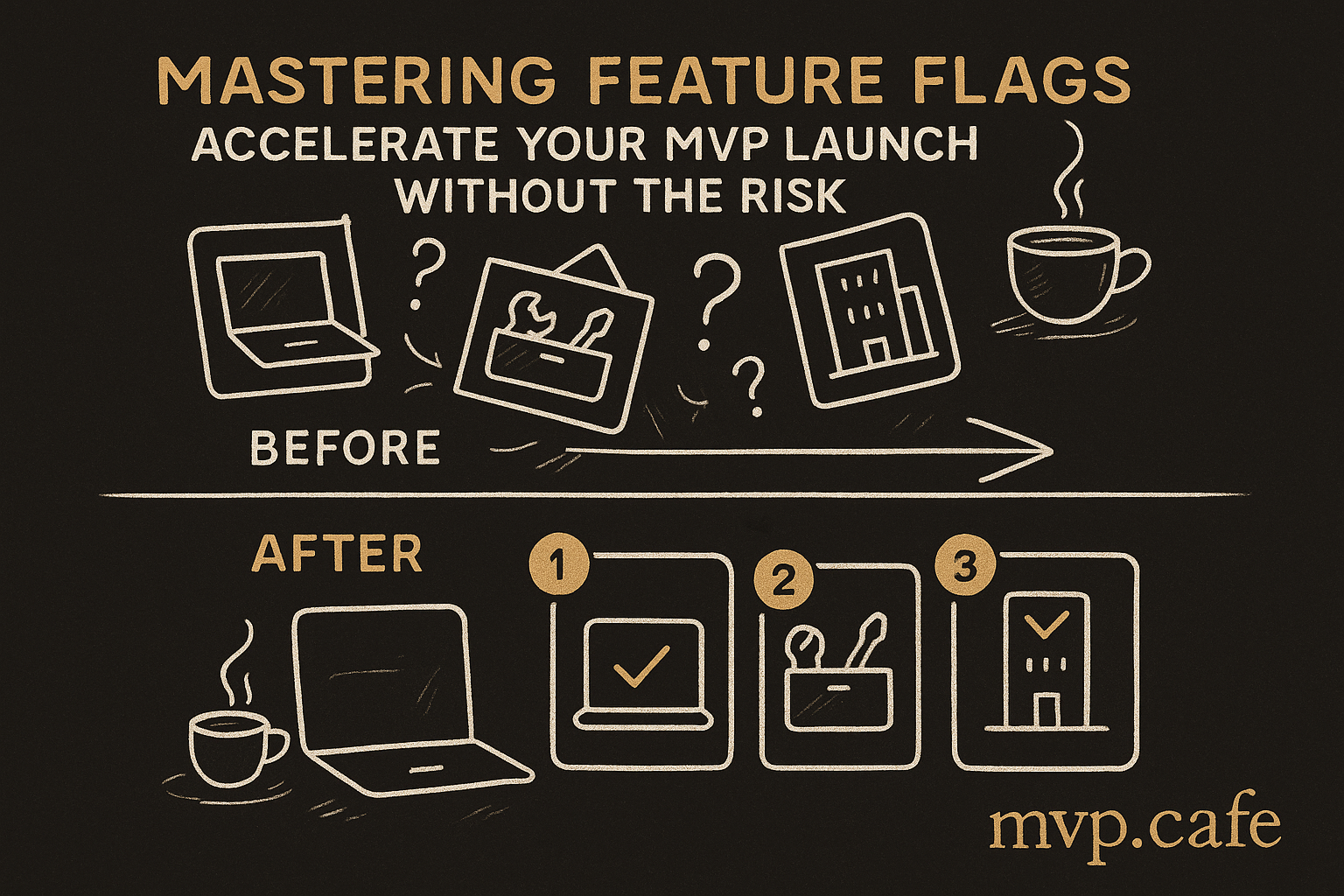
Challenges will pop up, no doubt. Complexity can sneak in, and without proper management, feature flags might become a tangled mess. But relax, I’ve been there at GoMechanic. We kept things smooth by maintaining a clean feature flag registry and doing regular audits.
Maximizing Agile Iteration with Feature Flags
Now, let’s talk about maximizing agile iteration with feature flags. They let you iterate at lightning speed. Real-time user feedback loops mean you can tweak things on the fly. Picture rolling out a new checkout process. With feature flags, test it with a subset of users, gather their thoughts, and refine it before the big launch.
This isn’t just theory. I’ve seen it work wonders. The ability to iterate quickly without risking your entire user base is a game-changer. While I can’t quote specific numbers here, industry trends do show a significant uptick in iteration speed thanks to feature flags.
[INLINE IMAGE: data-viz — Graph showing iteration speed with and without feature flags]
Pitfalls to Avoid When Using Feature Flags
Feature flags are great, but like any tool, there are pitfalls. Overuse is a common trap. Too many flags can make things complicated and confusing. Keep it lean. Documentation and tracking are your best buddies here. Skimp on those, and you risk messing up the user experience.
Another snag? Forgetting to clean up old flags. It’s like leaving Diwali lights up all year—eventually, it just gets messy. Regular audits help keep it neat. If you hit a bump, don’t hesitate to reach out for personalized advice.
Real-World Examples and Case Studies
Time for some real-world examples. At ZYOD, feature flags were our go-to for rapid feature deployment. It was all about strategic planning. We avoided the chaos of large-scale rollouts by controlling who saw which features and when. This approach reduced risk and let us experiment more freely.
Over at GoMechanic, feature flags were crucial in our MVP journey. They gave us the flexibility to test new ideas without full commitment. The takeaway? Feature flags aren’t just about flipping switches. They’re about crafting a controlled environment for innovation.
Want more insights? Dive into how strategic planning helped in rapid feature deployment.
[INLINE IMAGE: before-after — Before and after scenarios of MVP launches with feature flags]