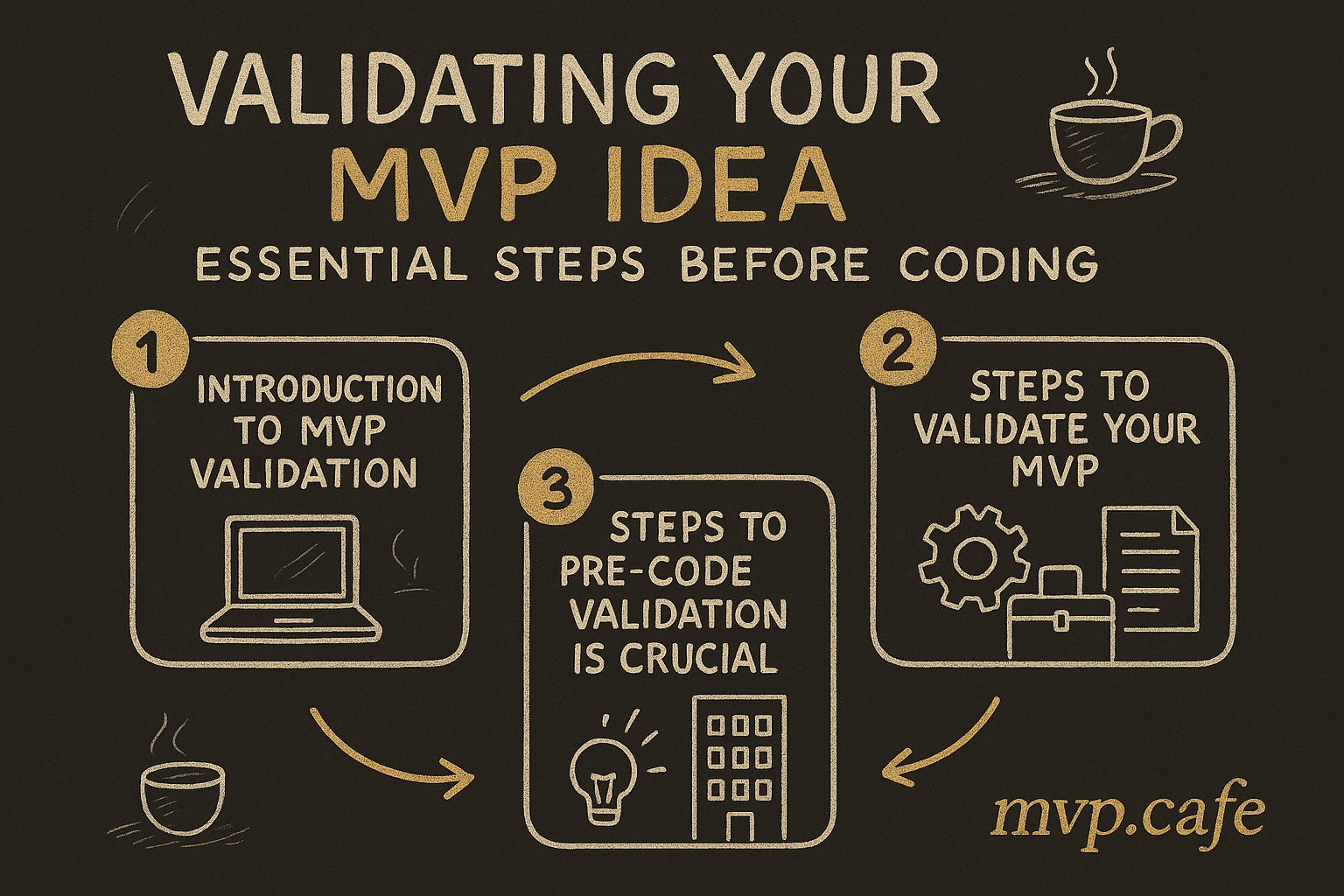
Introduction to MVP Validation
Starting on your Minimum Viable Product (MVP) without a validation phase is like diving into unknown waters without checking the depth. As a solo founder, ensuring your product matches market demands before you write a single line of code is gold. MVP validation is your safety net, sparing you from costly misjudgments.
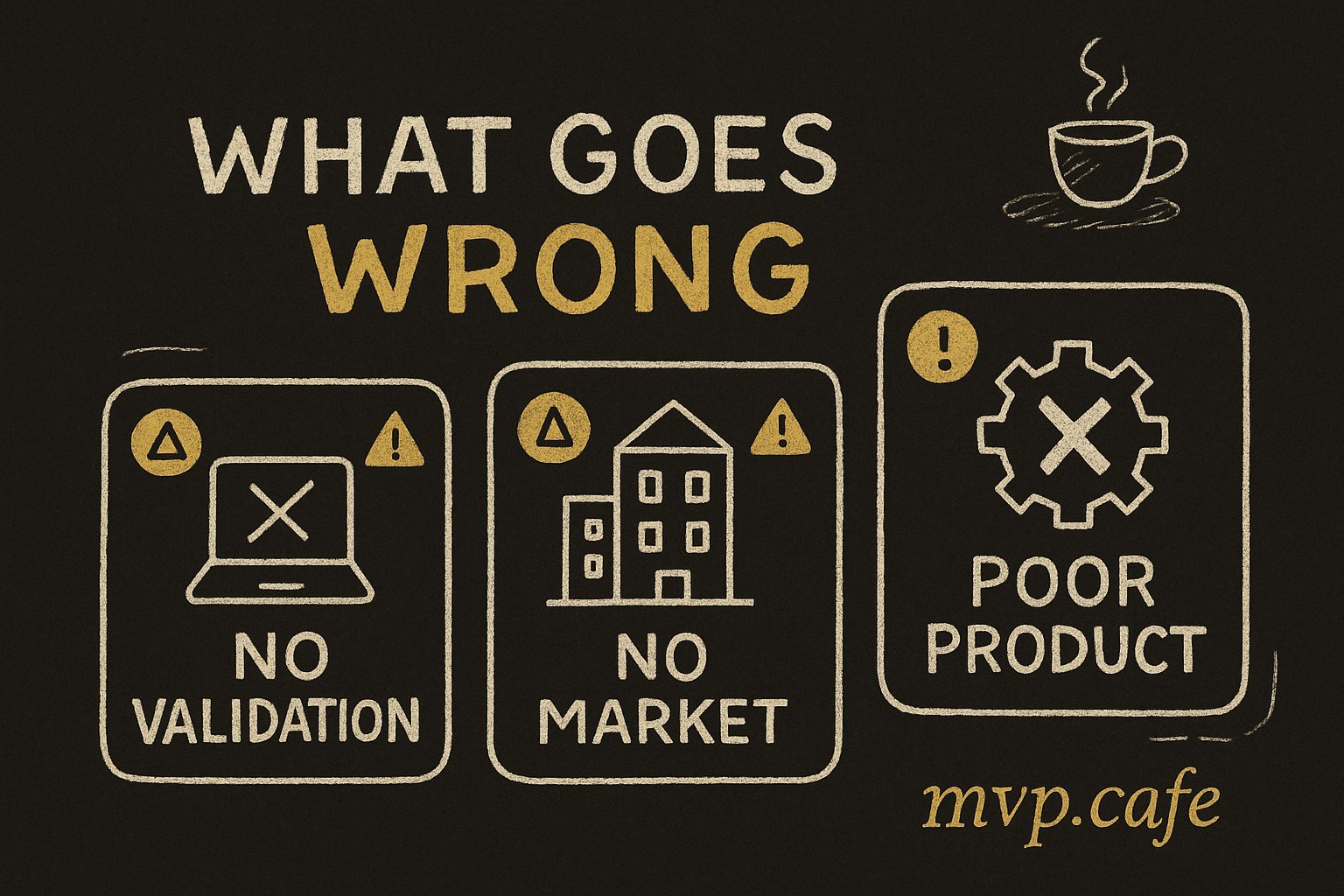
Skipping this step is a gamble with your startup’s future. You may think you have a clear vision of what the market desires, but without validation, it’s just a shot in the dark. And shots in the dark can be expensive. That’s where product-market fit comes in. If your MVP doesn’t cater to a real need for a real audience, gaining traction will be a challenge.
In today’s economy, especially for solo founders, every rupee counts.
This is why validation matters—it ensures you’re not just building something you find cool, but something the market is actually waiting for.
Why Pre-Code Validation is Crucial
Think of pre-code validation as your pre-flight checklist. It makes sure everything’s sorted before the wheels leave the ground. The savings—in terms of both time and money—are substantial. Imagine sinking months into coding an MVP only to realize there’s zero demand for it. Validation steers you clear of that nightmare.
Finding the product-market fit for MVP can feel like searching for a needle in a haystack, but validation is your metal detector. It reduces the risk of failure by ensuring your idea has potential before you start building. This is vital for solo founders who can’t afford to waste resources on false starts.
Strategic clarity is a big win here. It’s like having a clear map before jumping into a road trip—knowing where you’re heading and why.
This clarity isn’t a luxury; it’s essential. It aligns your efforts with market needs, making every step a step towards success.
Steps to Validate Your MVP
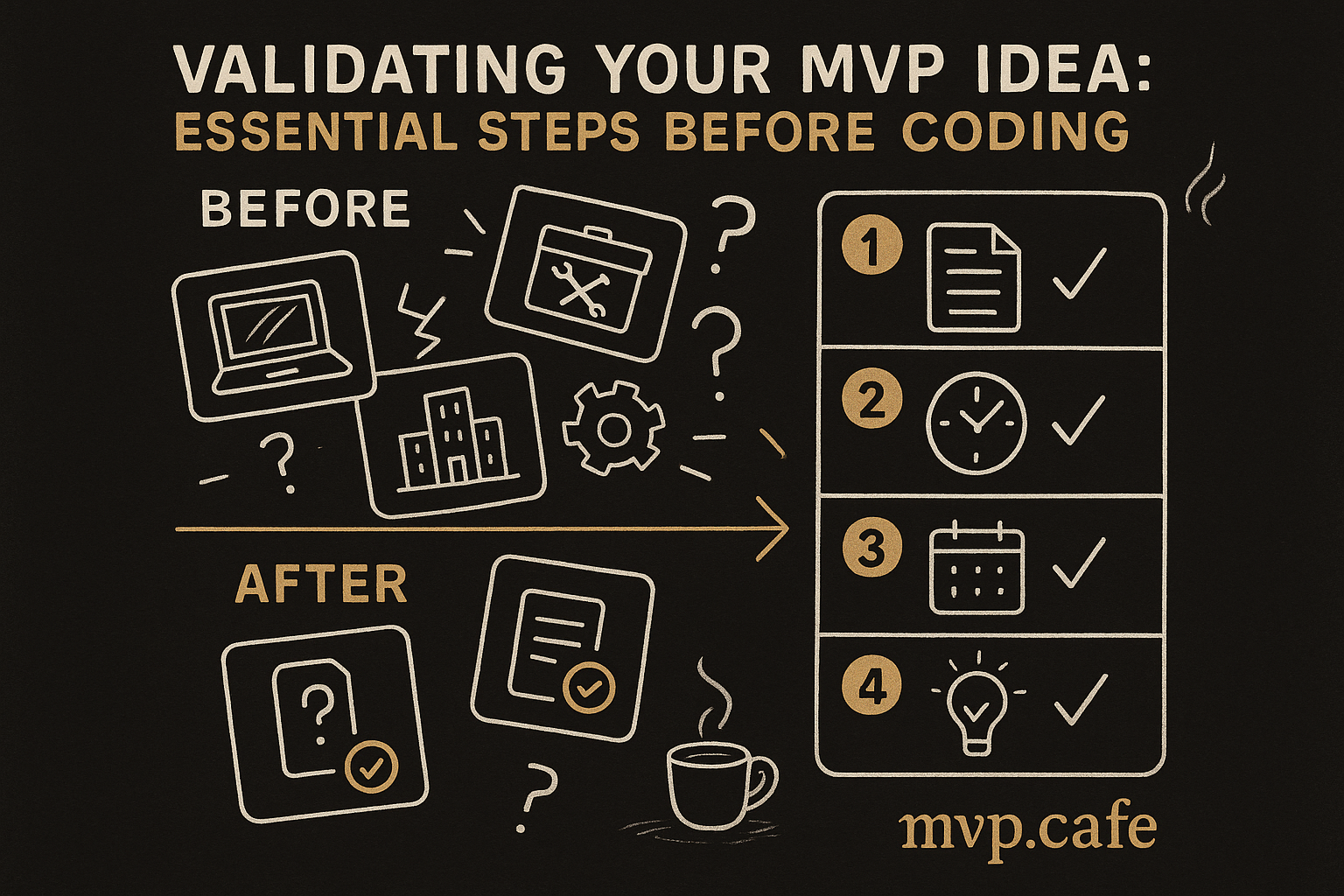
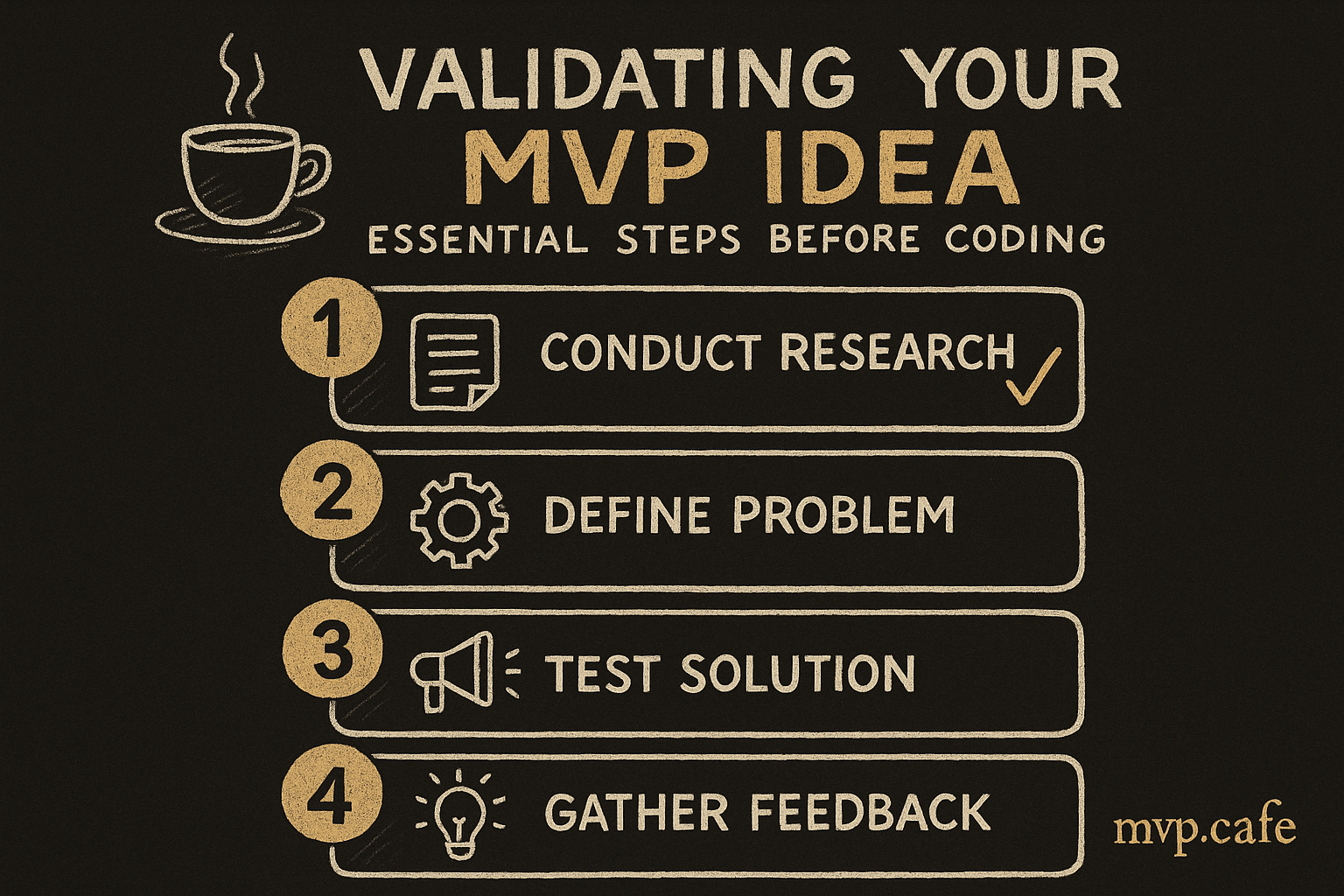
Here’s a straightforward guide to make sure your MVP idea is worth pursuing before jumping into development.
-
Identify Your Target Audience and Problem: Know exactly who you’re building for and the specific problem you’re tackling. This is your base.
-
Conduct Market Research and Competitor Analysis: Don’t assume you’re the first with the idea. Scrutinize your competitors and the market to figure out your unique twist.
-
Develop a Value Proposition: Clearly outline why your solution is better or different. This is what you’ll pitch to potential users.
-
Use Prototypes or Mockups for Feedback: Create simple prototypes or mockups. They’re faster and cheaper to build than full products and can offer invaluable feedback.
-
Iterate Based on Feedback: Listen to what users say and refine your idea accordingly. This step is crucial for aligning your MVP with real needs.
These steps aren’t just theoretical. They’re the bedrock of successful MVP launches. Check out how ZYOD’s successful MVP validation played out in real life.
Case Study: ZYOD’s MVP Validation Success
Take ZYOD, where I’m leading the product charge. We didn’t dive straight into development. Our initial MVP idea was around IoT solutions for the manufacturing sector. Before coding, we put our concept through rigorous validation.
We kicked off with in-depth market research to grasp manufacturers’ needs. Prototypes were crafted to gather user feedback, which then refined our value proposition. Challenges? Plenty. But with flexibility and responsiveness to feedback, we overcame them.
The outcome? A validated MVP that cut our fabric cycle time by 70% and unlocked ₹1.4M in working capital.
This validation process prevented costly blunders and aligned our product with market demands.
Common Pitfalls and How to Avoid Them
Validation isn’t a foolproof shield. There are common slip-ups solo founders often make that can derail the whole process.
-
Over-reliance on Assumptions: Assumptions can kill. Validate them with actual data.
-
Skipping Market Research: Never skip this. It’s your first guard against building something nobody wants.
-
Ignoring Feedback: Feedback is gold. Ignoring it is like tossing away a treasure map.
To stay on course, keep your ego in check and keep the focus on user needs.
This framework helps avoid these pitfalls, ensuring a smoother validation path.
Conclusion: Achieving Clarity Before Coding
Pre-code validation isn’t just an extra step; it’s a critical phase for ensuring your MVP’s success. It saves resources, aligns your product with market needs, and cuts the risk of failure. Solo founders, prioritize this.
For clarity and strategic insights, check out our budget-friendly options for solo founders. Remember, a validated MVP brings you closer to a successful product launch. Let’s make sure your idea is truly worth building before you code even a single line.