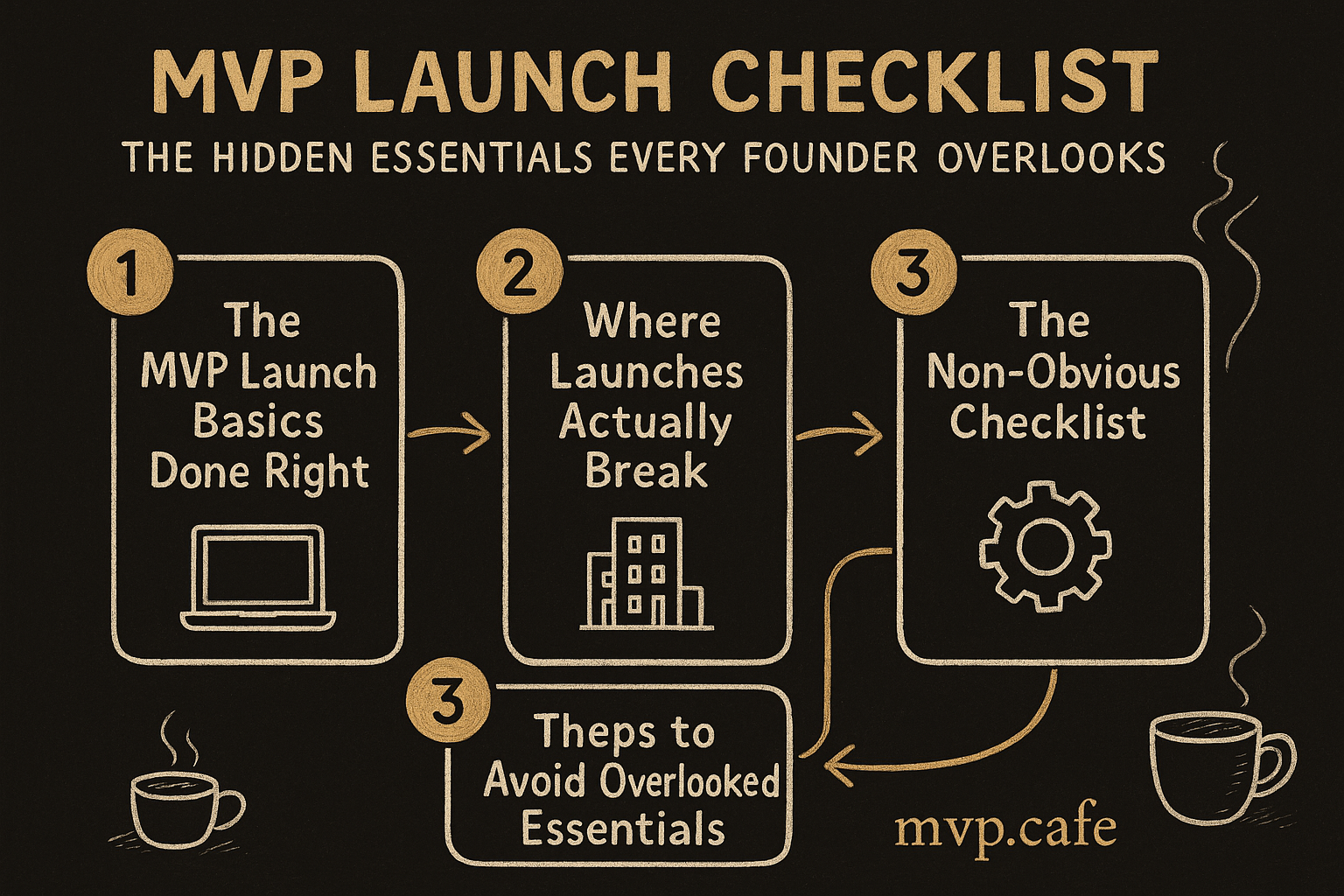
The MVP Launch Basics Done Right
An MVP isn’t just a lighter version of your big idea. It’s your real-world testing ground. You send out an MVP to challenge your key assumptions quickly. Forget perfection — it’s all about validation. The faster you validate, the quicker you iterate, saving time and money.
Any MVP launch checklist usually includes a mix of market research, crafting a basic product, running tests, and gathering feedback. These steps are your lifeline. They let you know if your product is even worth anything out there. The MVP’s true mission is finding product-market fit. Without it, you’re basically working in the dark.
Initial traction is what you want. It’s the signpost that you’re headed in the right direction. Feedback is your biggest ally here. At UTMStamp, we saw this cycle work wonders within just 13 days of shipping.
Where Launches Actually Break
Many solo founders think they’re ready. Then reality hits hard. The biggest MVP launch mishap? Skipping in-depth market research. You might think you know your audience, but do you, really? Founders often miss subtle details like customer pain points and competitor analysis. Overlooking these can derail your product faster than you can say “pivot.”
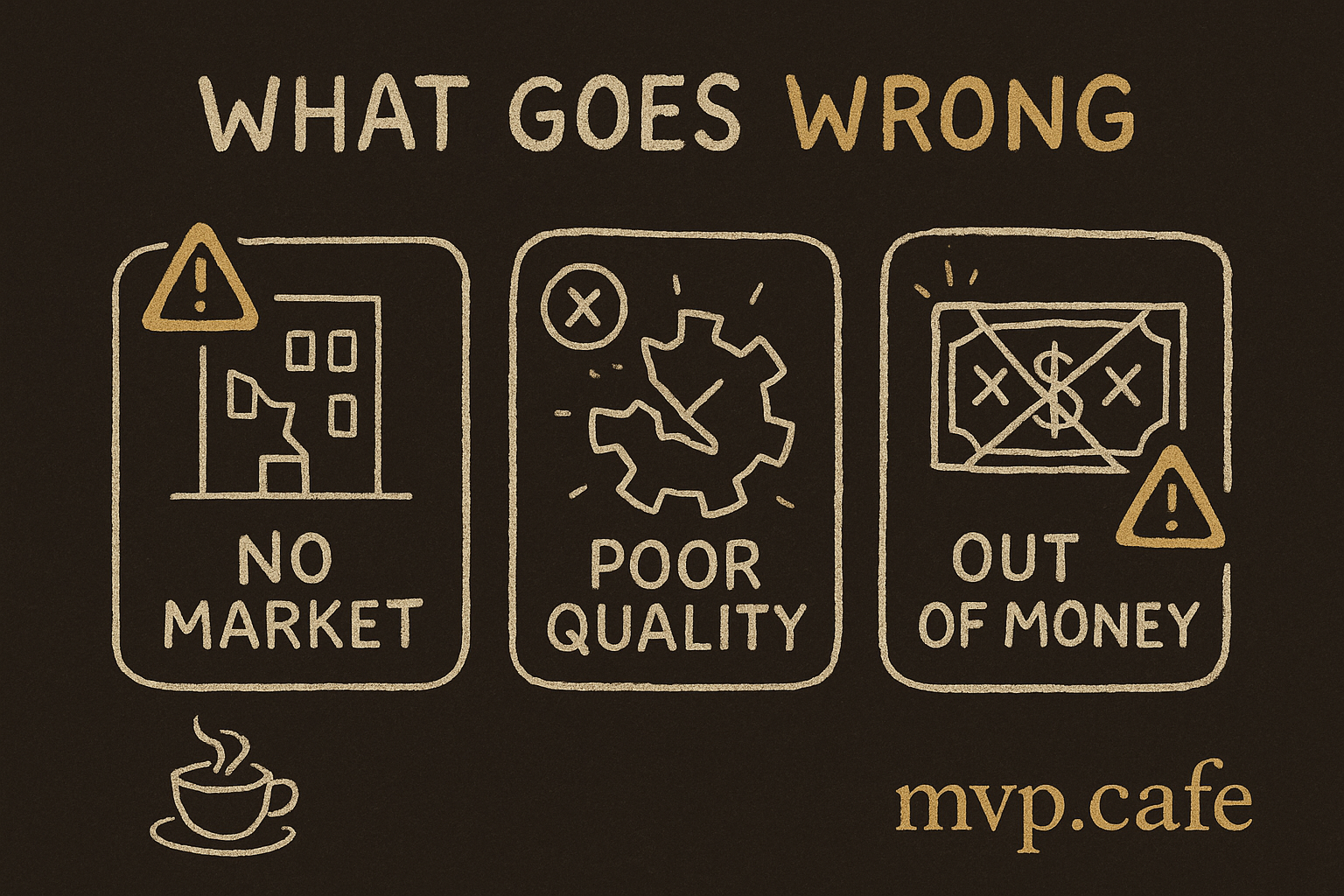
Ignoring customer feedback is another common pitfall. Some think initial downloads are all they need. They’re not. Many founders launch without a feedback system, which leads to product failure due to a lack of understanding of user needs.
These hidden essentials are like an iceberg. The launch is what you see, but what’s beneath can sink you.
The Non-Obvious Checklist
A solid checklist can make or break your MVP launch. Begin with pre-launch market validation. Talk to potential users — not just your circle. Validate the problem you’re solving. Next, make sure your tech stack is prepped. It’s surprising how many trips here. Basic functionality should work without a hitch.
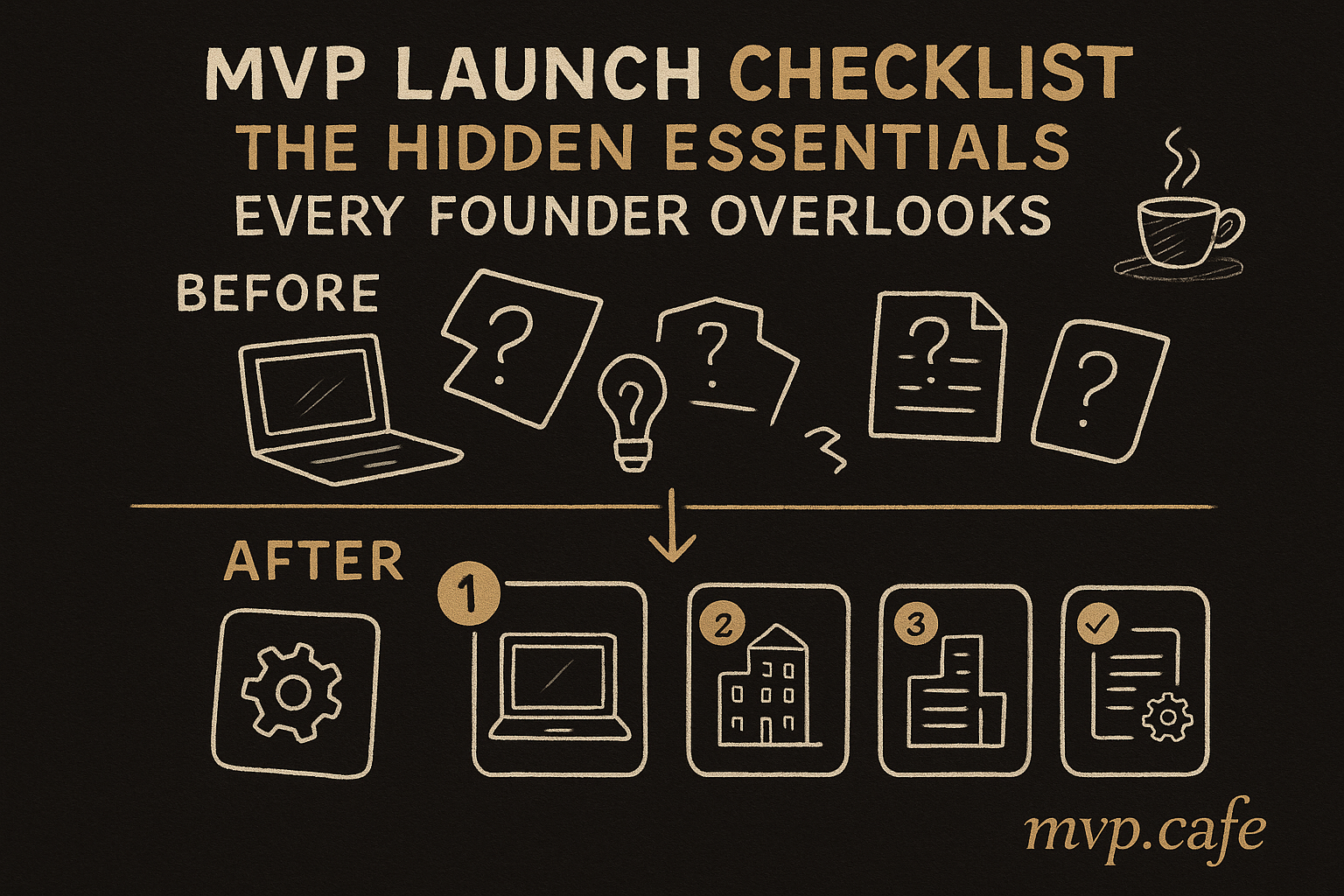
Legal and compliance checks are must-dos. I’ve seen startups shut down because they ignored one regulation too many. It’s a nightmare. On the marketing side, don’t just focus on launch day. Have a strategy for building pre-launch buzz and post-launch engagement. Communication is everything.
And remember post-launch monitoring. Set up analytics before you go live. Know what success looks like to you. And iterate. Plan for growth based on real-world data, not just gut feelings.
Steps to Avoid Overlooked Essentials
Let’s get practical. Conduct thorough market research. It’s non-negotiable. Engage early with potential customers — their insights are gold. Develop a flexible MVP roadmap. This is your guide when things go sideways — and they will.
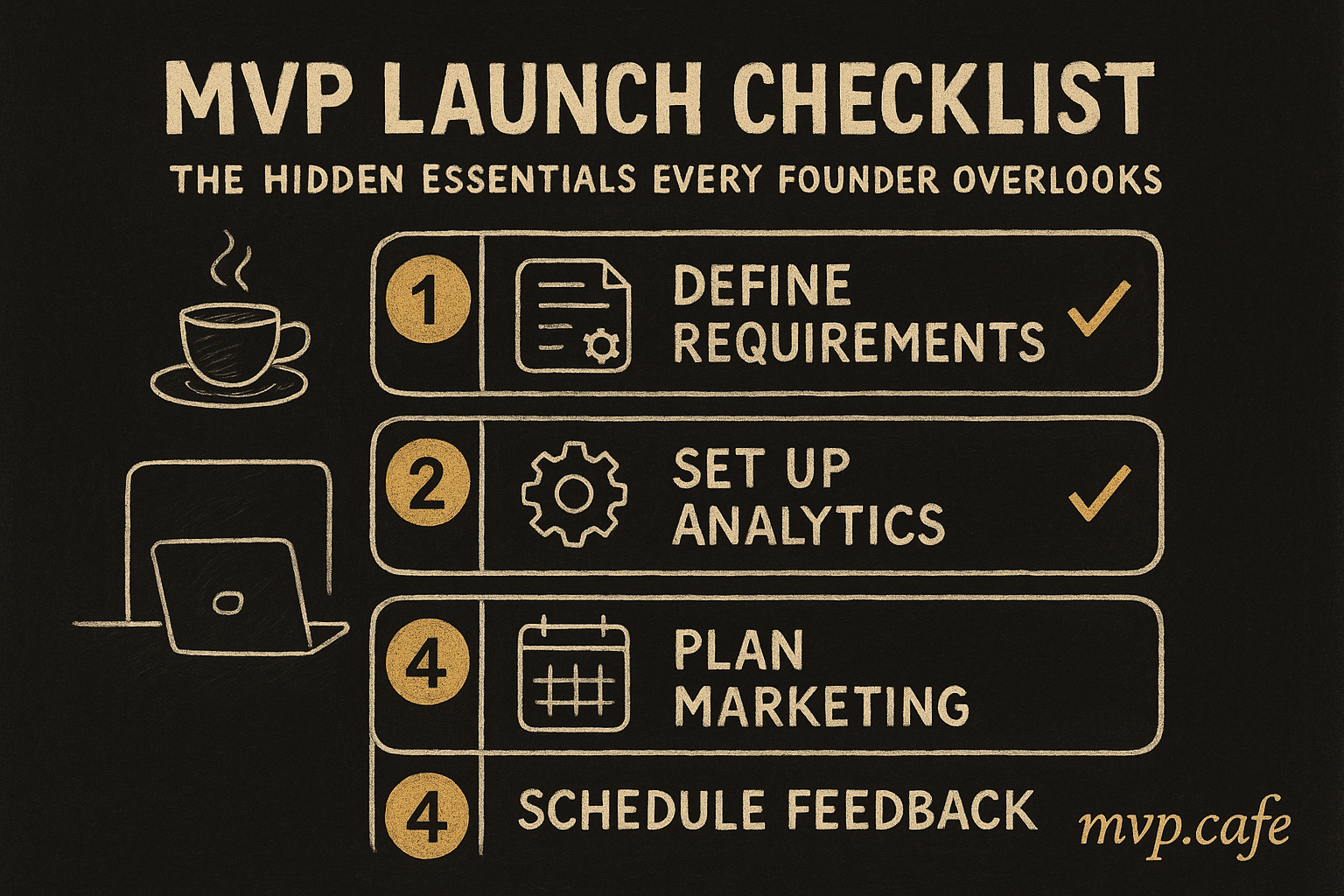
Set up feedback loops right from the start. You’re not just launching a product; you’re beginning a dialogue. Use real-world data to iterate. Assumptions won’t cut it. Real data trumps assumptions every single time.
These steps aren’t just advice; they’re lifelines. They keep you focused on what truly matters, helping you avoid the traps that sink so many others.
The Traps Waiting for Solo Founders
Assumptions are your enemy. Validate them. Relying on untested assumptions can spell disaster. Competitor analysis is another often-overlooked area. Knowing your competition isn’t enough. Understand their strengths and weaknesses.
A clear value proposition is essential. If your audience doesn’t get it, they’re not buying. Growth strategy? Think sustainability, not just numbers. Quick wins are tempting but can lead to burnout.
Even if you’re flying solo, team dynamics matter. Build a support network. Advisors, mentors, even fellow founders can be invaluable. The solo founder journey is lonely enough without skipping the support structures that keep you sane and your product on track.
Key Takeaways
The difference between a successful MVP launch and a costly misfire usually comes down to the non-obvious stuff: feedback loops set up before launch, analytics in place from day one, legal checks done early, and genuine market validation beyond your friend circle.
Don’t just launch. Launch with intention, measure everything, and iterate fast. The checklist isn’t a one-time exercise — it’s a living document that evolves with your product.