Understanding MVP Caching Strategies
Alright, let’s break it down. Caching is essentially about keeping copies of data handy for quick access. When you’re working on an MVP, speed and saving money are everything. If you’re rolling with a solo founder budget, this is something you can’t skip.
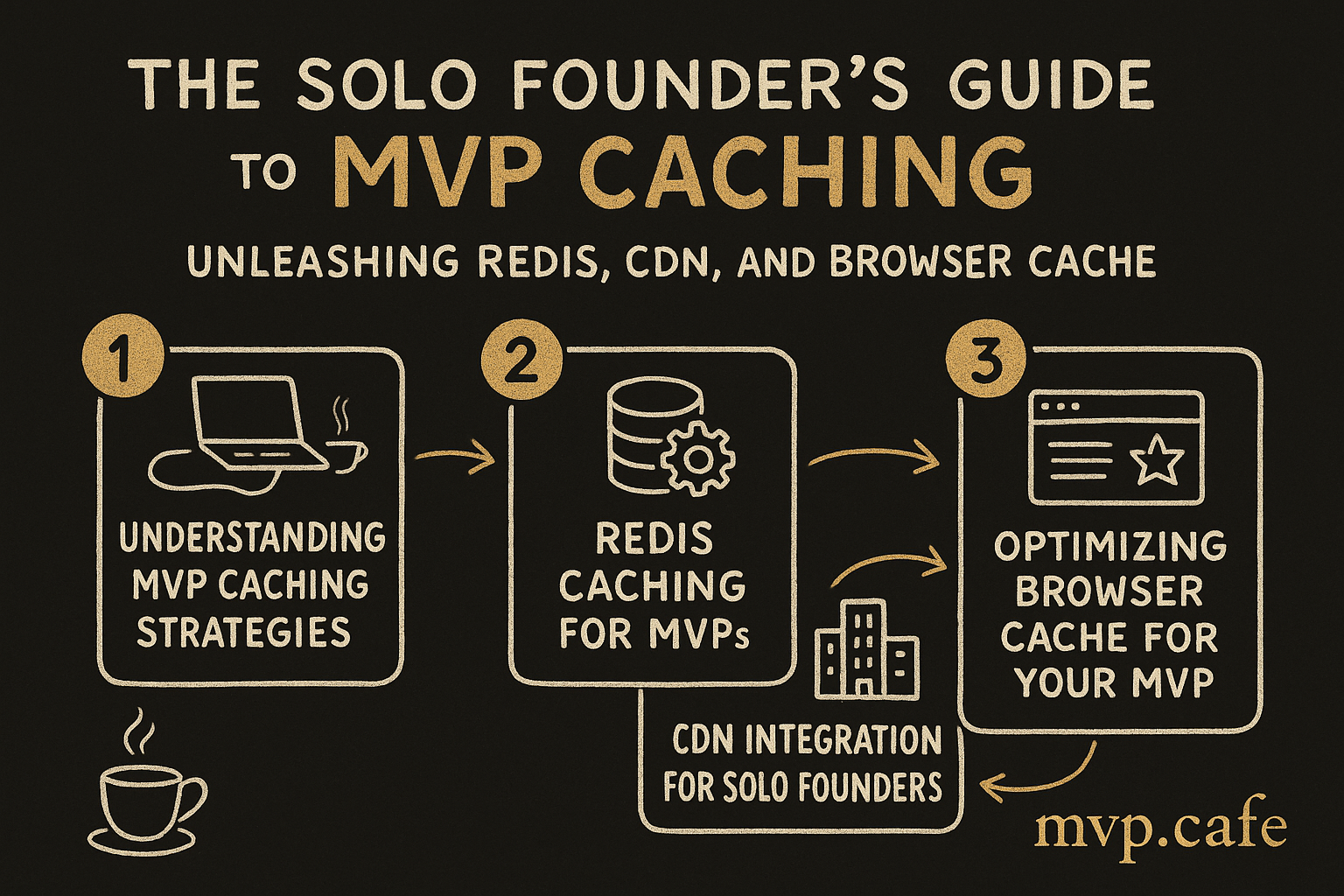
Redis, CDNs, and browser caches—these are your allies. Each brings something unique to the table. Redis acts like your super-fast assistant. CDNs? They’re the global delivery network you didn’t know you were missing. And browser cache? It’s that sneaky local storage that speeds things up for repeat visits.
For solo founders, caching is not just an option. It’s a game changer. It cuts down bandwidth, reduces server strain, and makes the user experience smoother. Many think caching is just for the big players. But even your MVP can get a boost.
[INLINE IMAGE: Diagram showing interaction between Redis, CDN, and browser cache]
Redis Caching for MVPs
Redis isn’t just a buzzword—it’s a beast. Back in my ZYOD days, we slashed fabric cycle times by 70% with insights like this. Redis is about lightning-fast data retrieval, perfect for MVPs that need to impress right off the bat.
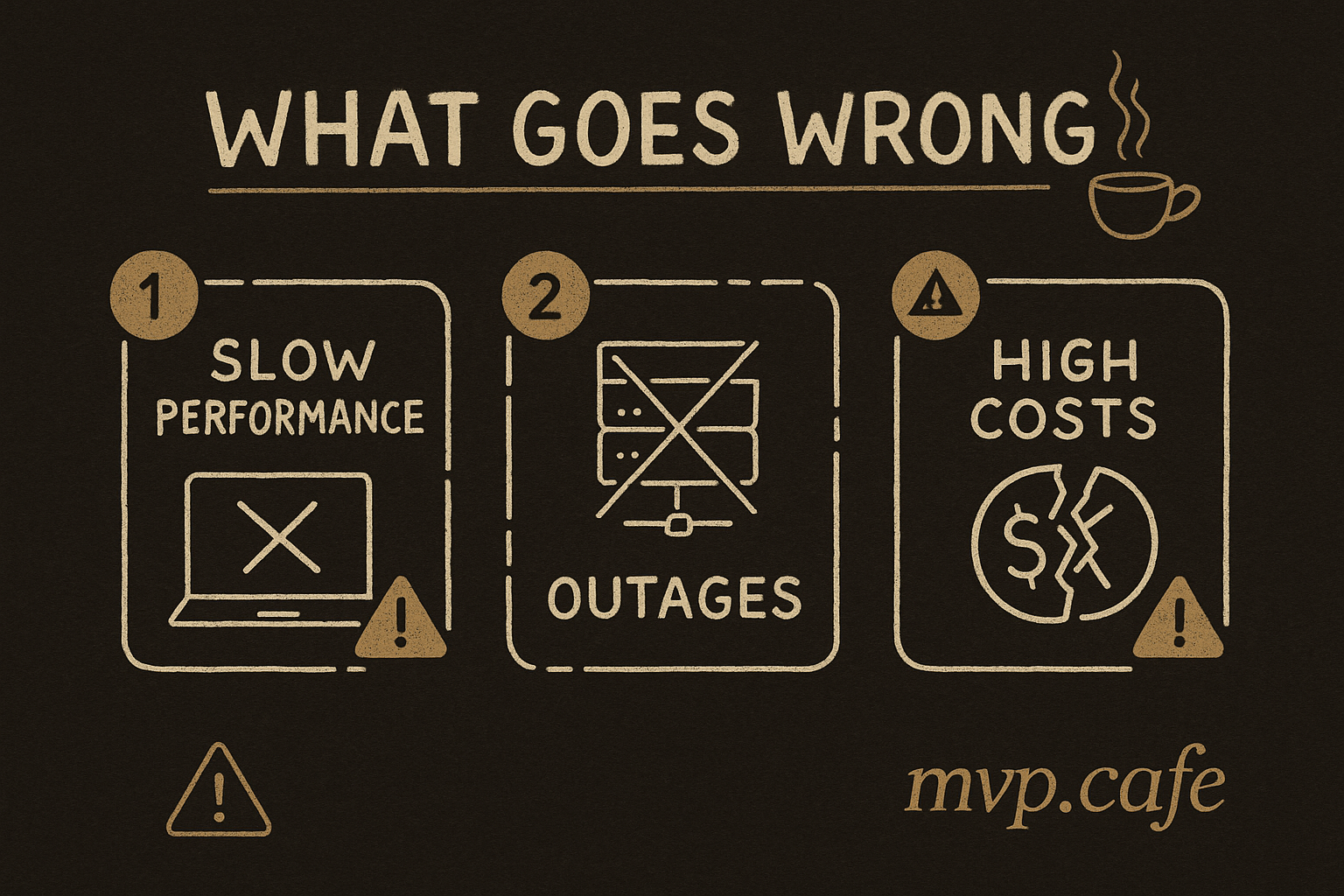
Don’t worry about breaking the bank setting up Redis for your MVP. It’s a cost-effective way to up your game. Hosting it on AWS or Google Cloud can run you ₹13k-18k annually. You’ll notice the efficiency boost as data retrieval times plummet.
Want proof? Picture this: cutting query response times in half. That’s real impact on how satisfied your users feel. Redis caching makes your MVP run like a well-tuned machine.
CDN Integration for Solo Founders
Let’s talk CDNs. These aren’t just for the likes of Netflix and Amazon. A CDN spreads your content across multiple locations, speeding up delivery. At GoMechanic, rolling out a CDN was key for scaling. We saw a 200% jump in memberships, partly thanks to better site speed.
Thinking about integrating a CDN with your MVP? Start with Cloudflare or AWS CloudFront. They offer plans that won’t kill your budget. It’s about finding the sweet spot between cost and performance.
The steps? Simple. Configure your DNS, set up SSL, and test it out. If you need a hand, check out our internal link: “full MVP build service”. The payoff? Faster load times and happier users.
Optimizing Browser Cache for Your MVP
Browser caching is like getting the user’s browser to do the heavy lifting. It stores static files like images and scripts locally. The result? Faster subsequent loads.
I’ve seen firsthand how tweaking browser cache settings can trim seconds off load times. Adjust your headers to manage cache duration. But watch out—over-caching can lead to outdated content.
For solo founders, this means less server load. Less load translates to fewer servers, which means cost savings. It’s a win-win.
Combining Caching Strategies for Maximum Impact
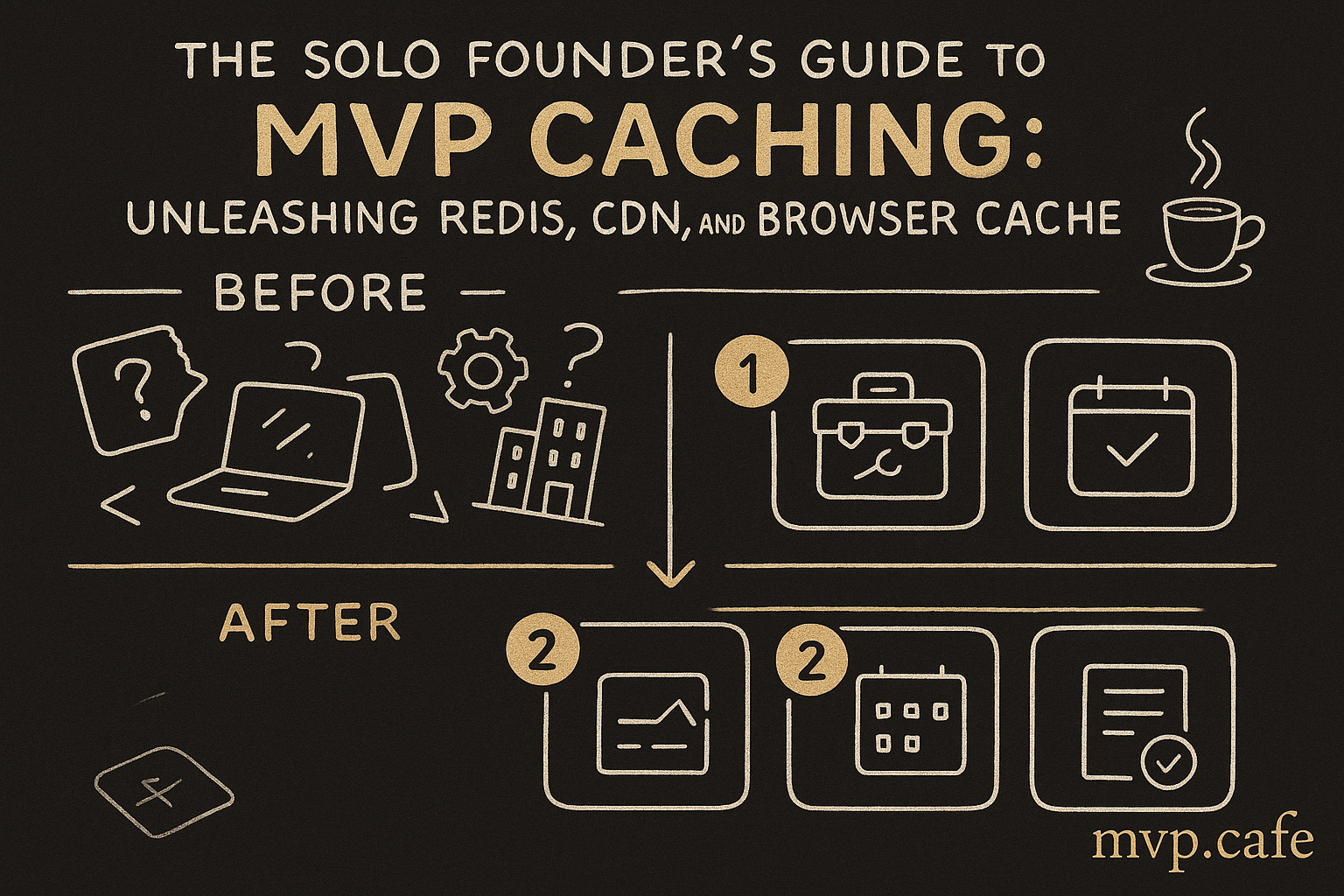
Each caching strategy on its own is powerful. Together, they’re unstoppable. Combining Redis, CDN, and browser cache gives you comprehensive optimization.
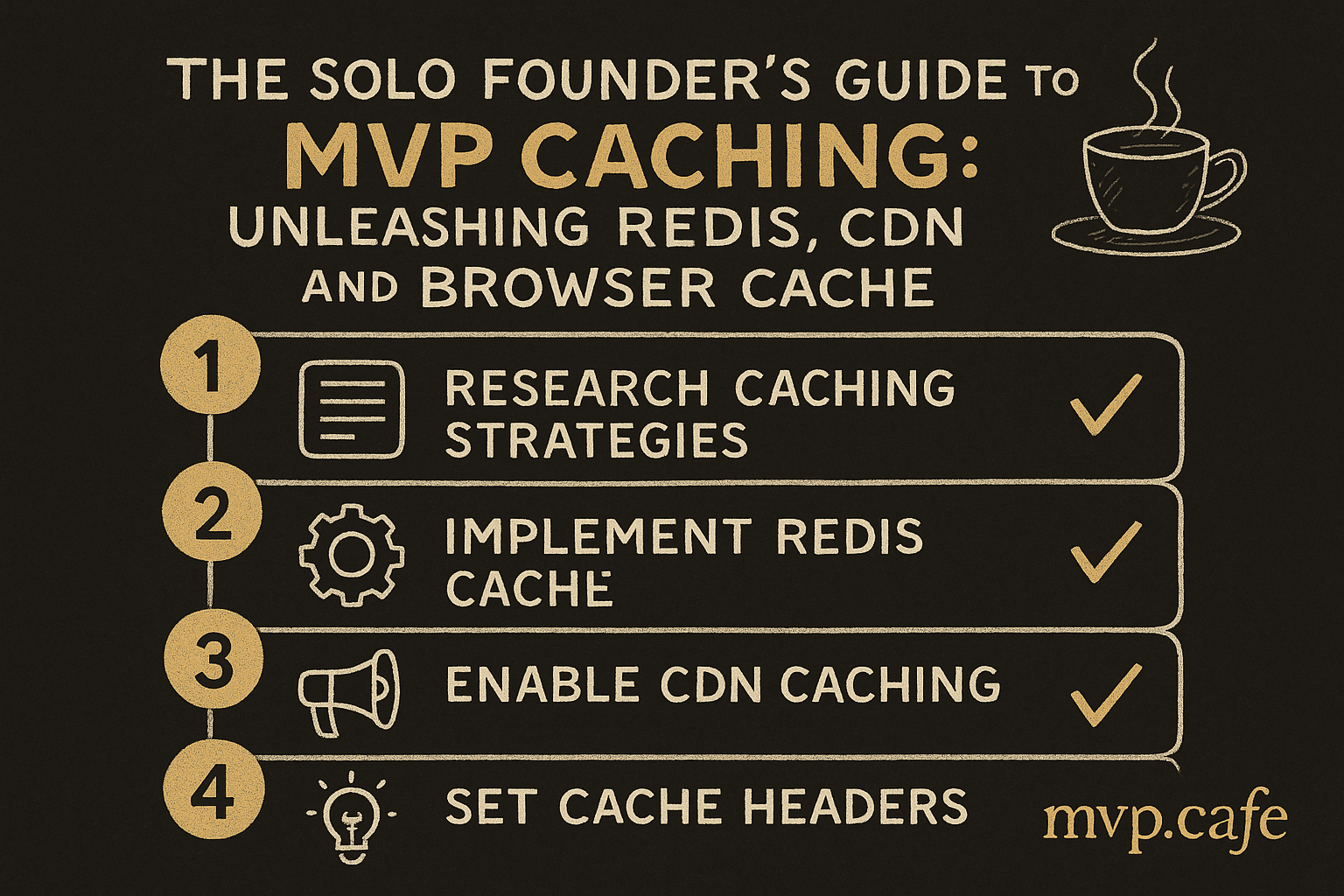
Start with Redis for quick data retrieval. Add a CDN for that global reach. Finally, set up browser cache for repeat visits. It’s a step-by-step process with big rewards.
Yes, there will be hiccups. But tools like New Relic can help you monitor and tweak things. Check your MVP’s performance regularly with our internal link: “assess their current MVP’s performance” service to keep things smooth.
Final Steps to Implementing Your Caching Strategy
To wrap it up, we’ve gone through Redis, CDN, and browser cache. Each plays a crucial role in optimizing your MVP. Develop a caching plan that aligns with your MVP’s needs.
Use tools like Google Analytics for performance insights. Need more details? Consider a internal link: “Strategy Sprint for deeper insights”.
Remember, caching isn’t a one-off task. It’s an ongoing game. Implement, monitor, optimize. That’s the way to stay ahead.
Caching is all about smart, cost-effective strategies that boost performance. For solo founders, it’s key to building an MVP that stands out. Ready to dive deeper? Let’s chat strategy.