
Most folks treat a ProductHunt post like the Holy Grail of launches. I used to think the same way. Then I realized how easily you can sink time, money, and hope into what is basically a popularity contest. If you’re a solo founder, you’ve got better things to do: building your product, finding real users, getting actual revenue. That’s why I’m pushing you to skip ProductHunt launch strategy 2026. Bold? Maybe. But I’ve seen too many first-time founders burn through 12-hour days prepping for a ProductHunt release, only to flop under the weight of stiff competition. Don’t repeat that mess. Let’s talk about a path that fits your resources—without the hype machine overshadowing the real work.
Why ProductHunt Isn’t the Golden Ticket Anymore
ProductHunt used to be a sweet deal. Post your product, drum up votes, and watch the traffic roll in. In 2022, I watched a friend’s app go from zero to 8,000 signups (source: TechCrunch coverage) in four days. It was insane. But that was then.
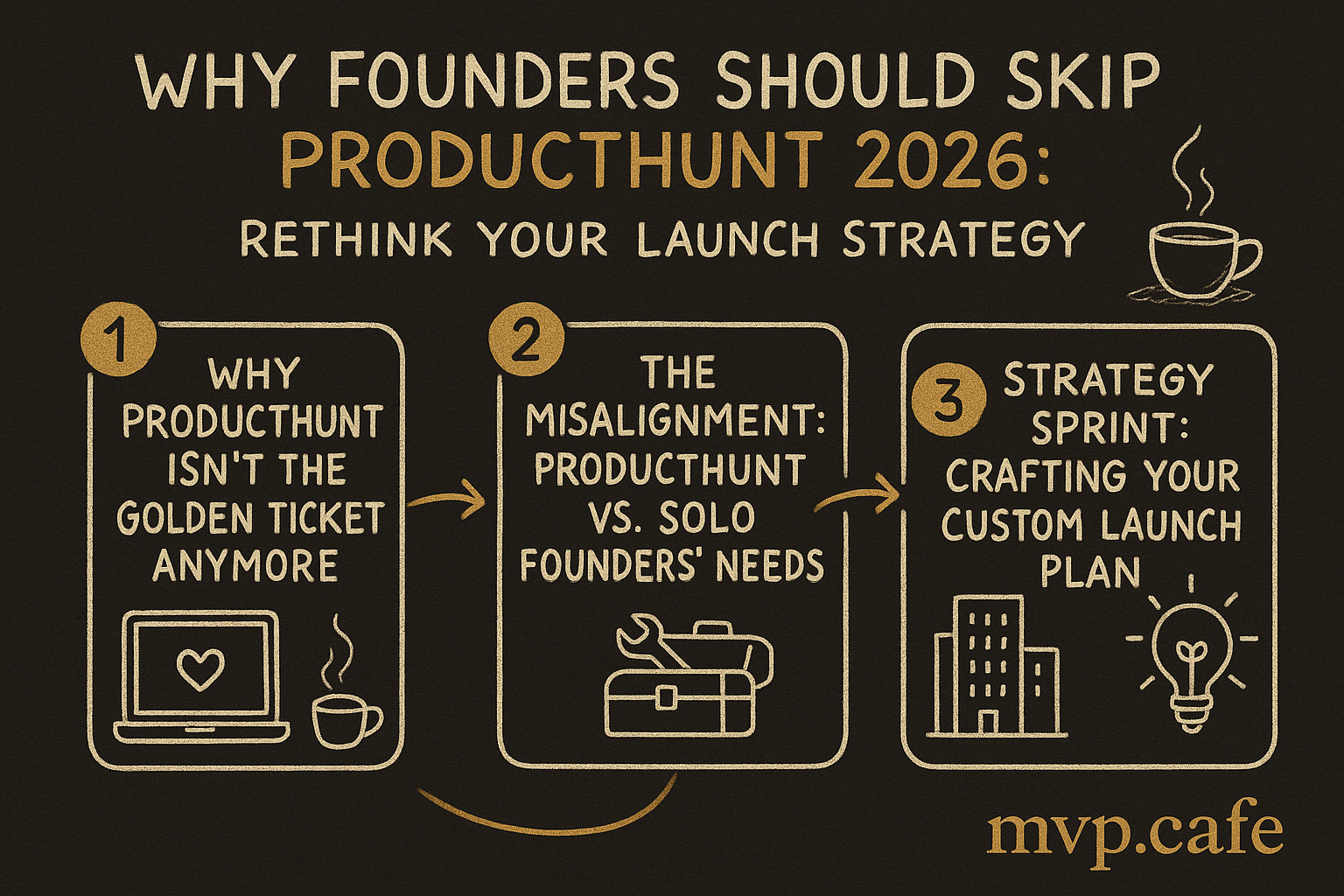
The truth: ProductHunt changed its algorithm in late 2024. Now, the platform’s front page relies on a mix of early upvotes and internal curation. If your product doesn’t explode in those first 12 hours, forget it. You get buried under the next batch of launches. I’ve seen this at ZYOD, where we prepped for a big ProductHunt day, only to see it slip away because we didn’t nail the first hour surge. That stings.
Competition has also soared. An average of 20 new products appear every morning, many with polished marketing teams behind them. Even a quick glance at ProductHunt in February 2026 showed “top products” with 500–800 upvotes by midday. You can’t outvote that alone if you’re a solo founder wearing 17 different hats.
[INLINE IMAGE: Graph showing decline in ProductHunt launch success rates over time]
Let’s not ignore the avalanche of half-baked features that flood the site. CB Insights reported that 67% of early-stage startups overestimate their marketing approach when heading to ProductHunt. That translates to big disappointment when upvotes stall at 20. In short, the platform has lost its easy-win sparkle.
The Misalignment: ProductHunt vs. Solo Founders’ Needs
Solo founders juggle everything: product dev, marketing, and probably a day job on the side. ProductHunt isn’t built for that. It’s geared toward teams with marketing leads and dedicated resources. I’ve worked with a founder who spent ₹5–8 Lakh on a launch push, including social media campaigns via Buffer and Hootsuite. Yet, the ProductHunt wave didn’t yield sales. One big reason: the site’s audience is broad, and you have to stand out against well-funded startups.
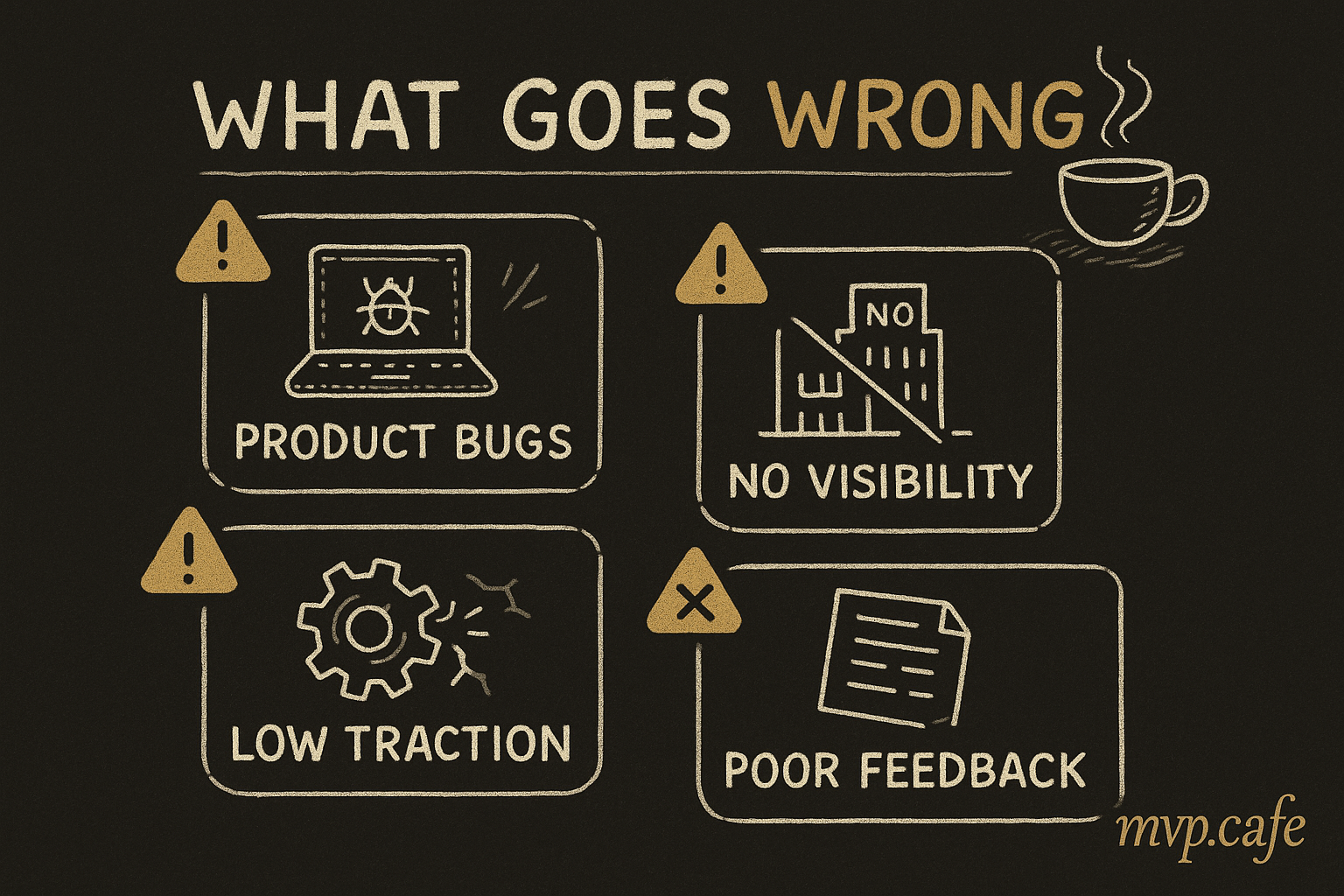
If you’re aiming for Indian markets or have a hyper-specific niche, ProductHunt’s global spotlight might not even reach the right folks. You’ll get curious onlookers, but not necessarily paying customers. That mismatch alone can drain your energy. You hop on ProductHunt seeking validation and revenue, and all you get is polite upvotes from random places.
Another misfit: time zones. A lot of Indian founders I know launch at 11 PM local time to match U.S. peak engagement. Then they’re stuck babysitting upvotes through the night, hoping to climb the charts. Doing that alone is brutal, especially if you have no marketing wingman. This hits your health and morale. Meanwhile, the bigger teams are fresh and ready to pounce at 9 AM Pacific.
[INLINE IMAGE: Diagram comparing solo founder needs vs. ProductHunt offerings]
Ever see those frantic “Help us on ProductHunt!” tweets? That’s what happens when the platform’s model clashes with single-person operations. If your product solves a niche problem, you’re better off focusing on launch strategy for Indian startups that speak directly to your tribe.
Alternative Launch Strategies in 2026
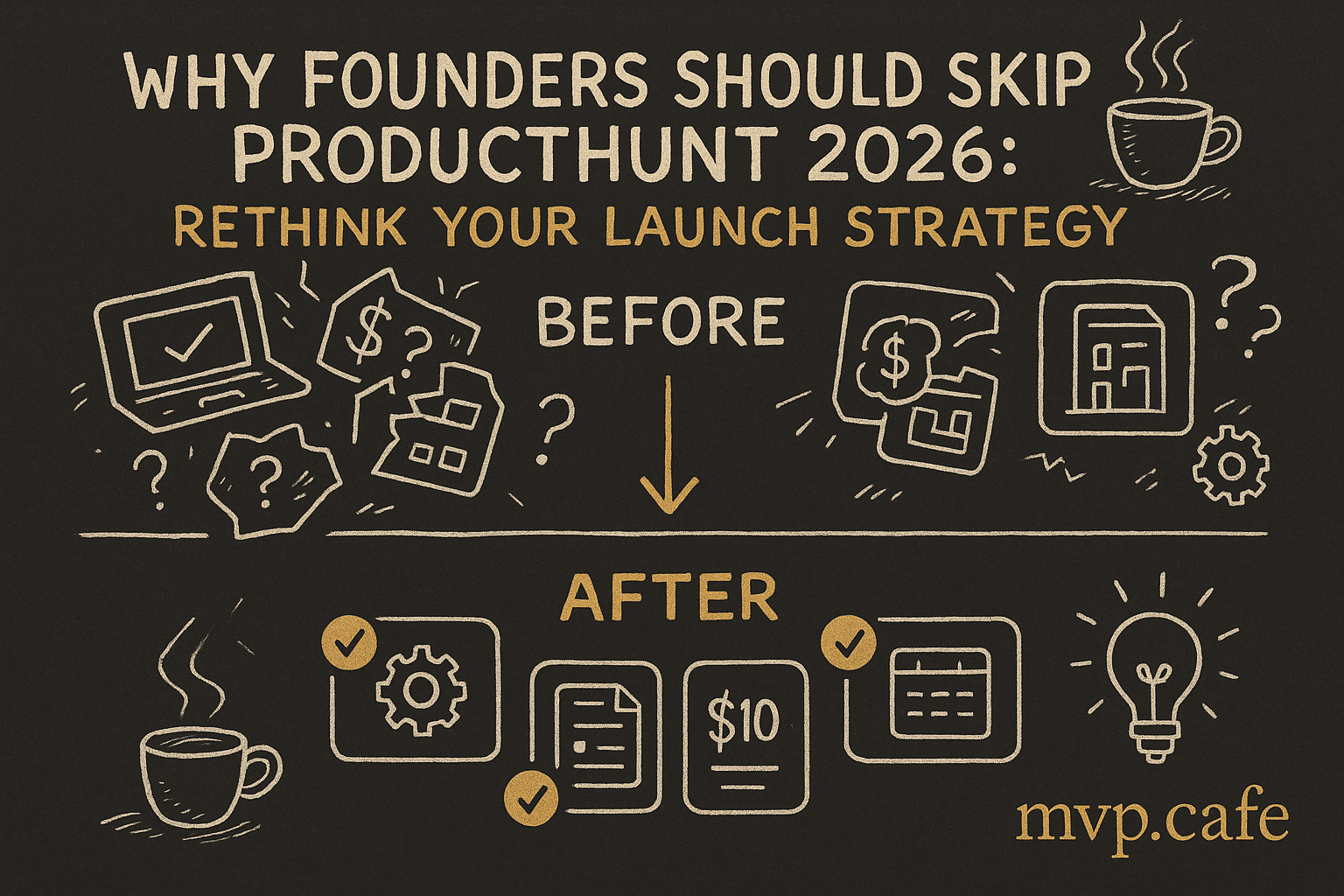
So if you decide to skip ProductHunt launch strategy 2026, what do you do instead? Plenty. Below is a rundown of alternative launch strategies worth exploring.
-
Niche Community Platforms
Indie Hackers and specialized forums (like subreddits for your specific target group) can deliver engaged users. They might be smaller, but their conversion rates blow away random crowds. I’ve seen a ₹2 Lakh monthly recurring revenue climb thanks to a single well-timed post on Indie Hackers. -
Social Media Targeting
Don’t just blow your budget on ads. Try micro-influencers in your field. Even 5–6 collabs with micro-influencers can drive 30% more qualified traffic (source: Hootsuite 2025 Campaign Report). Doing it yourself? A slow drip of LinkedIn or Twitter posts about your progress can pull in the right enthusiasts. -
Strategic Partnerships and Collabs
Microsoft BizSpark or AWS Activate might offer resources for early-stage SaaS. Cross-promote with them in exchange for building on their stack. Partnerships with MicroAcquire can also put you in front of startup-buying audiences from day one. -
Beta Launches with Committed Testers
A private release to 100 or 200 testers can help you refine your product. Offer them a discount or early access. Then gather testimonials before going wider. This approach fosters real relationships and helps bulletproof your product before the big day.
A lot of these align with effective product launch methods because they let you target your real user base. They also allow for direct feedback loops. No “popularity race,” no fluff.
| Platform/Strategy | Audience Size | Key Benefit |
|---|---|---|
| Indie Hackers | ~200k active users | Engaged, founder-focused community |
| MicroAcquire | ~100k buyers/sellers | Visibility to potential acquirers |
| Social Micro-Influencers | Varies on niche | Highly targeted interest groups |
Strategy Sprint: Crafting Your Custom Launch Plan
A Strategy Sprint is 13 days of intense planning, testing, and adjusting. I’ve run these sprints with single founders, and it crushes the alternative of trying to patch together a messy plan. When we did a Strategy Sprint for a small SaaS last August, we identified the top 3 distribution channels in the first four days. Then we doubled down on the best one, ignoring the rest.
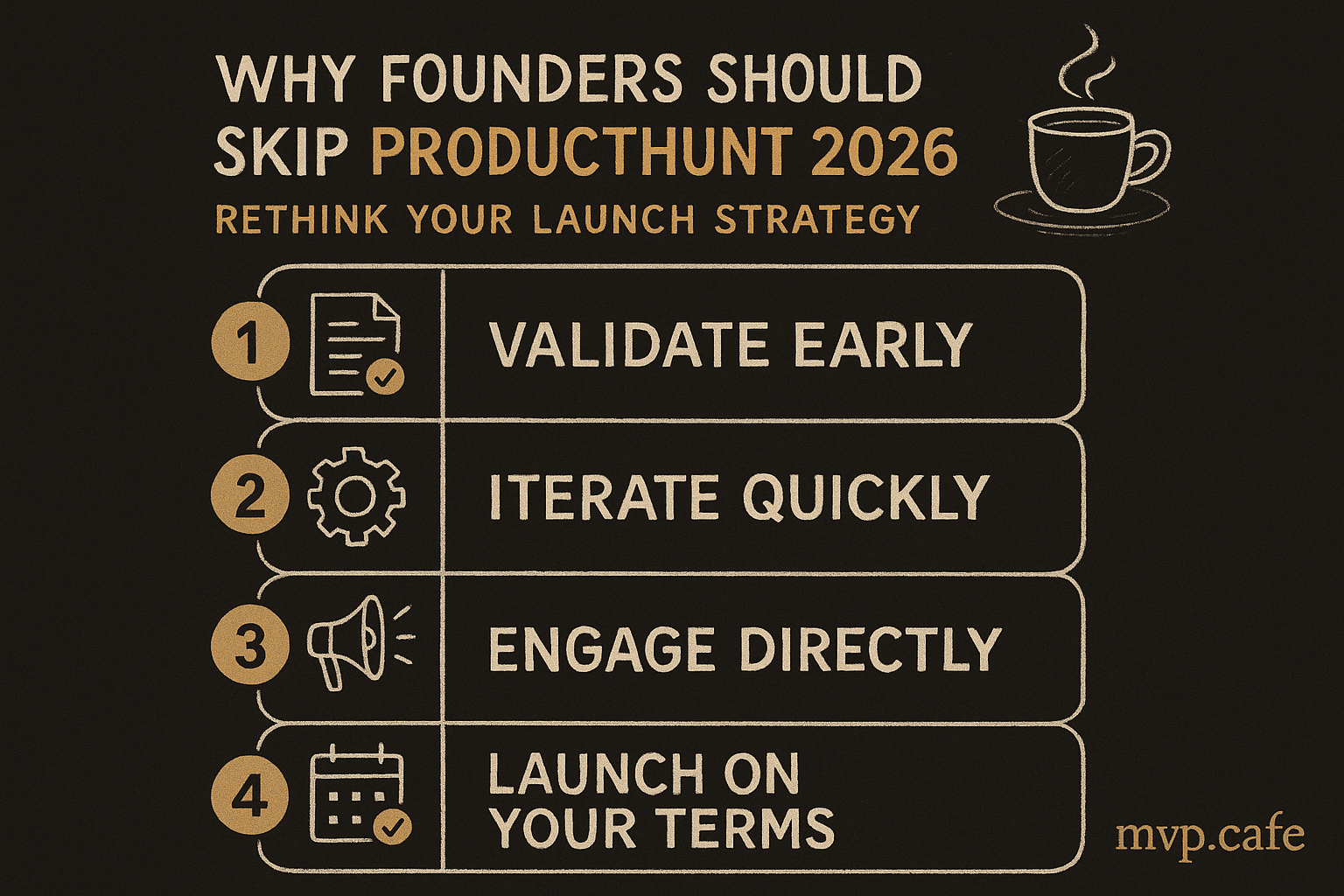
So how does a Strategy Sprint help with your targeted launch strategies? Simple:
• You set short-term goals, like “250 signups in 2 weeks.”
• You run daily experiments—could be an email campaign, a webinar, or a partner promotion.
• You measure results that same day, then tweak the plan.
• By the end, you have data that’s laser-focused on your actual market.
Those steps aren’t rocket science, but they require discipline. And discipline is where many founders slip. They get excited about shiny platforms like ProductHunt, but never methodically test smaller channels. If that’s you, sit down and write your own 30-day launch plan with one channel per week. Discipline beats hype.
Case study? I once helped a no-code app targeting the education sector. We spent the first four days of the Sprint interviewing 15 teachers via Zoom. By day seven, we had user feedback that triggered a complete pivot in messaging. On day 10, we reached 600 potential customers through a TikTok teacher community. That’s no fluke. Sprints let you move fast, fail quickly, pivot again, and find gold.
I’d pick a Strategy Sprint over a blind ProductHunt release any day. You control the channels. You get immediate market signals. You don’t stay up all night chasing upvotes.
Why Skipping ProductHunt Might Be Your Best Decision
ProductHunt once offered a quick injection of traffic. But the metrics can be vanity at best, especially if you’re building alone. The solo founder hustle demands high-impact moves, not popularity bubbles. If that traffic isn’t your target audience, you’re burning hours that could be spent refining your pitch or polishing your product.
Don’t get me wrong, it’s tempting to chase a top slot on ProductHunt. The platform can still generate noise, but noise rarely pays your bills. For Indian startups eyeing local or region-specific customers, that broad global audience counts for less than you think. I’d rather have 50 actual signups who might convert to ₹8–12 Lakh in yearly revenue than 1,000 random upvotes.
When you customize your approach—whether it’s a no-frills emailing spree to pre-qualified leads or hooking up with micro-influencers in your domain—you’ll see more traction. That’s the real reason to skip the hype truck. Many of us have pivoted our approach after seeing how ProductHunt’s hype doesn’t translate to user loyalty.
As you plan your next move, think about the cost of time, energy, and money. A big launch that flops can steamroll your confidence. A smaller, methodical approach can validate your product and keep you sane.
Choose the path that resonates with your actual goals. Rework your timeline. Avoid the massive drama of chasing fleeting upvotes.
FAQs
-
What are the alternatives to ProductHunt in 2026?
Niche platforms like Indie Hackers, social media groups, and partnerships with platforms like MicroAcquire. -
How effective is ProductHunt for launching new products?
It can still work, but with 7,300 new products posted in 2025 (source: ProductHunt stats), competition is harsh. -
What are the best launch strategies for solo founders?
Outline a tailored plan, build niche audiences, and test regularly before going big with a Strategy Sprint. -
Why might ProductHunt not be the best option for my startup?
Because it can eat up time and resources without guaranteeing the right audience for solo or first-time founders. -
How can I run a Strategy Sprint for my product launch?
Carve out 13 days, define clear goals, invite a small team or advisor, and iterate daily on your positioning and messaging.
That’s my take. If you’re fed up with playing the ProductHunt lottery, focus on a plan that truly fits your product. Strategy Sprints, laser-focused outreach, and real-world validation will give you clarity that no upvote count can match.