Introduction to MVP Analytics
Building an MVP feels a bit like running a marathon that doesn’t seem to end. You kick off with a basic version, test it out, and then tweak things based on what you learn. For solo founders, this can be both exciting and a bit daunting. That’s where MVP analytics come into play—they’re like your secret weapon. By focusing on the right metrics, you can make smart decisions that push your startup forward.
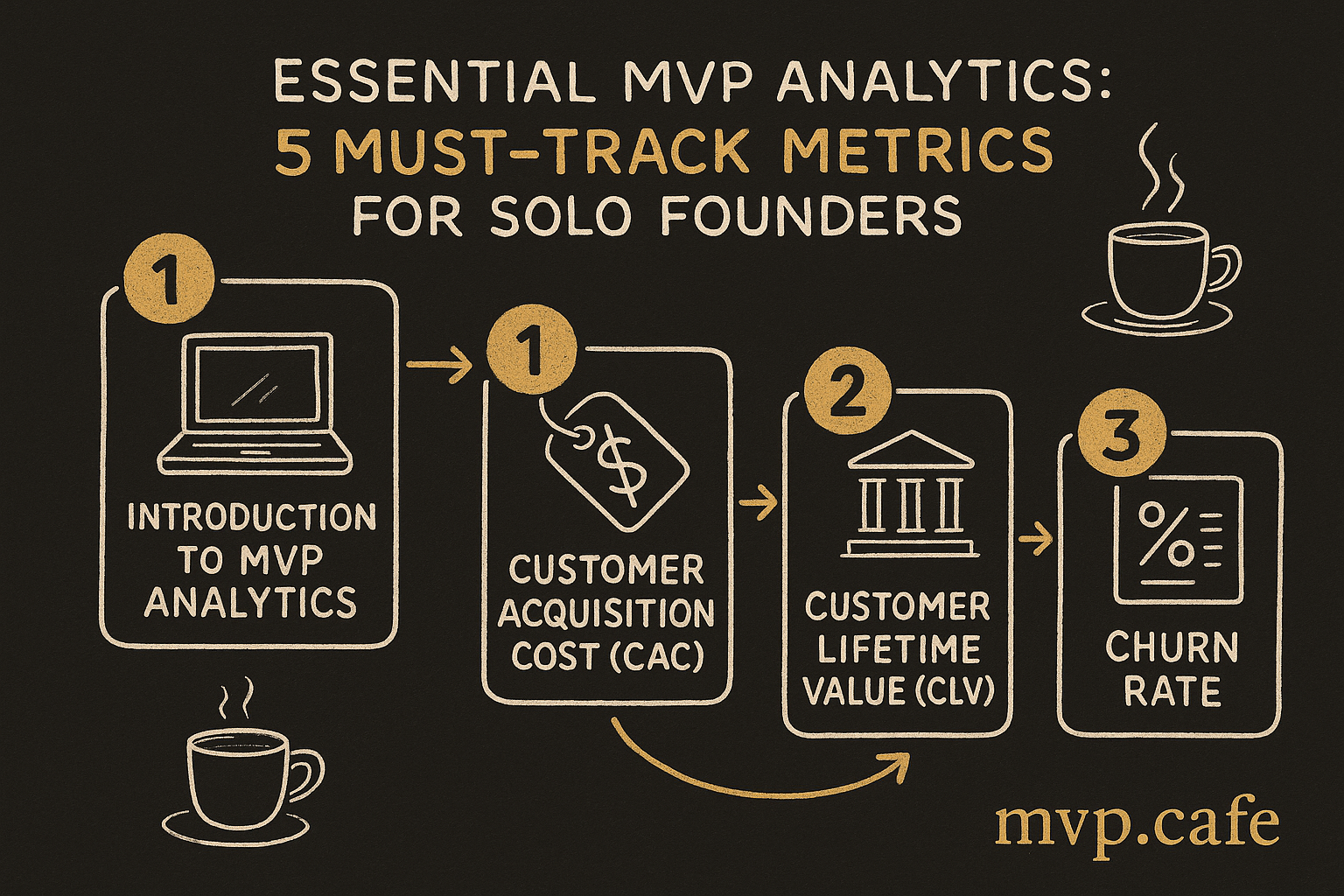
In my own product development journey, getting a handle on MVP analytics has been crucial. It isn’t about drowning in data but about honing in on what truly matters. For solo founders, being selective about what you track is key. So, let’s break down the five must-track metrics to steer your MVP toward success.
[INLINE IMAGE: Diagram showing MVP analytics process]
Metric 1: Customer Acquisition Cost (CAC)
Customer Acquisition Cost is all about understanding what it costs to bring in each new customer. You calculate it by dividing your total marketing spend by the number of new customers you land. So, if you spend ₹10,000 to get 100 customers, your CAC is ₹100.
Why does CAC matter? If you’re spending more to acquire a customer than they’re bringing in, there’s a problem. It’s like paying ₹1,000 for something that sells for ₹500. Not sustainable. Keeping your CAC low is vital for growth and profitability.
To drop CAC, focus on organic channels like SEO or get creative with referrals. At GoMechanic, we managed to cut CAC by 70% with a solid referral program. It’s all about striking a balance where your marketing spend matches customer value.
Metric 2: Customer Lifetime Value (CLV)
Customer Lifetime Value forecasts how much revenue a customer will generate during their time with you. To find CLV, multiply the average purchase value, purchase frequency, and the duration of the customer relationship.

Knowing your CLV lets you make informed decisions about how much to invest in acquiring and keeping customers. If your CLV is higher than your CAC, you’re in a good spot. Boosting CLV can involve upselling, cross-selling, and sharpening customer service.
At Fourzip, increasing CLV by just 10% made a noticeable difference. It allowed us to reinvest in product development and customer support, creating a cycle of ongoing improvement.
Metric 3: Churn Rate
Churn rate is the percentage of customers who bail on your product over a given period. Calculate it by dividing the number of churned customers by the total number of customers at the start.
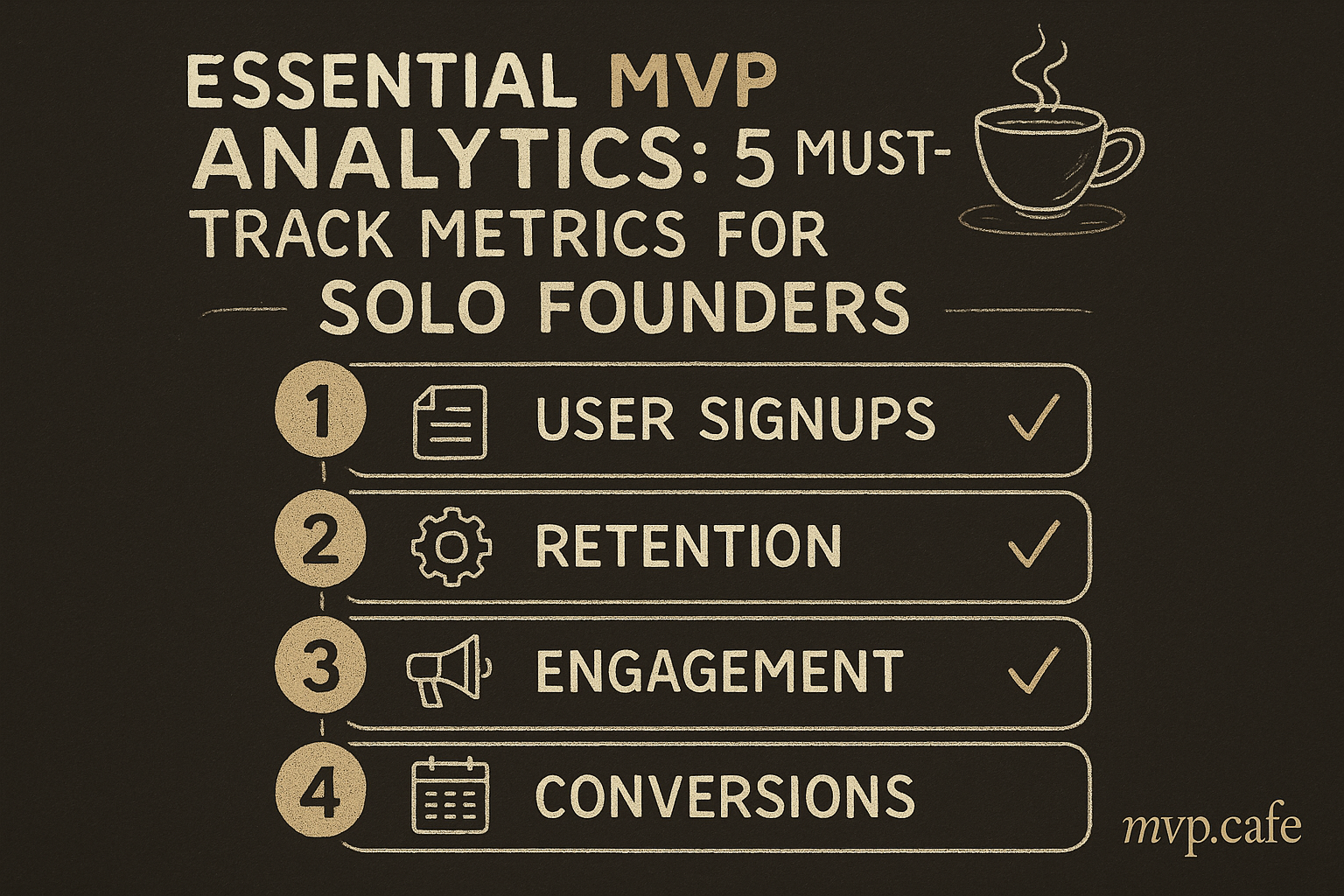
High churn rates are like having a leaky bucket—new customers come in, but they slip away just as fast. Cutting churn is crucial for growth. Engage with personalized communication, offer regular value updates, and swiftly address pain points.
In my experience, tackling churn requires a proactive stance. Collect feedback regularly and act on it. The insights you gather can make the difference between a failing product and one that’s thriving.
Metric 4: Daily Active Users (DAU)
Daily Active Users tracks how many unique users engage with your product daily. It’s a direct indicator of user engagement and product-market fit.
Monitoring DAU helps you understand user behavior and spot areas that need improvement. If your DAU is flatlining or declining, it might be time to rethink your offering or marketing tactics.
To boost DAU, ensure continuous engagement. Regular updates, new features, or even simple notifications can keep users coming back. At ZeoAuto, tweaking our onboarding process gave us a 10% activation boost.
Metric 5: Net Promoter Score (NPS)
Net Promoter Score measures customer satisfaction and loyalty by asking how likely customers are to recommend your product. It’s calculated from a simple survey, with responses categorized as promoters, passives, or detractors.
A high NPS means a solid base of loyal customers who can drive organic growth through referrals. Use NPS feedback to pinpoint strengths and weaknesses in your product.
During the UTMStamp project, leveraging NPS helped us refine our offering based on direct feedback, leading to better satisfaction and more referrals.
[INLINE IMAGE: Checklist for improving NPS based on feedback]
Implementing MVP Analytics as a Solo Founder
Deploying these metrics into your MVP strategy doesn’t mean you need a data scientist. Tools like Google Analytics, Mixpanel, and Amplitude offer budget-friendly tracking solutions.
Start by setting your goals and tracking each metric. Regularly review your data and tweak it where needed. Avoid the pitfall of data overload by concentrating on actionable insights.
Analytics might seem intimidating but approach it right, and it becomes a powerful tool in your arsenal. If you need support, think about booking a consultation to discuss your analytics needs.
[INLINE IMAGE: Checklist for setting up MVP analytics]
Tracking these five metrics will give you a clear picture of how your MVP is doing and where to focus your energies. Solo founders have limited resources, so make every decision count. Analytics isn’t just about numbers—it’s about making informed choices that lead to success.